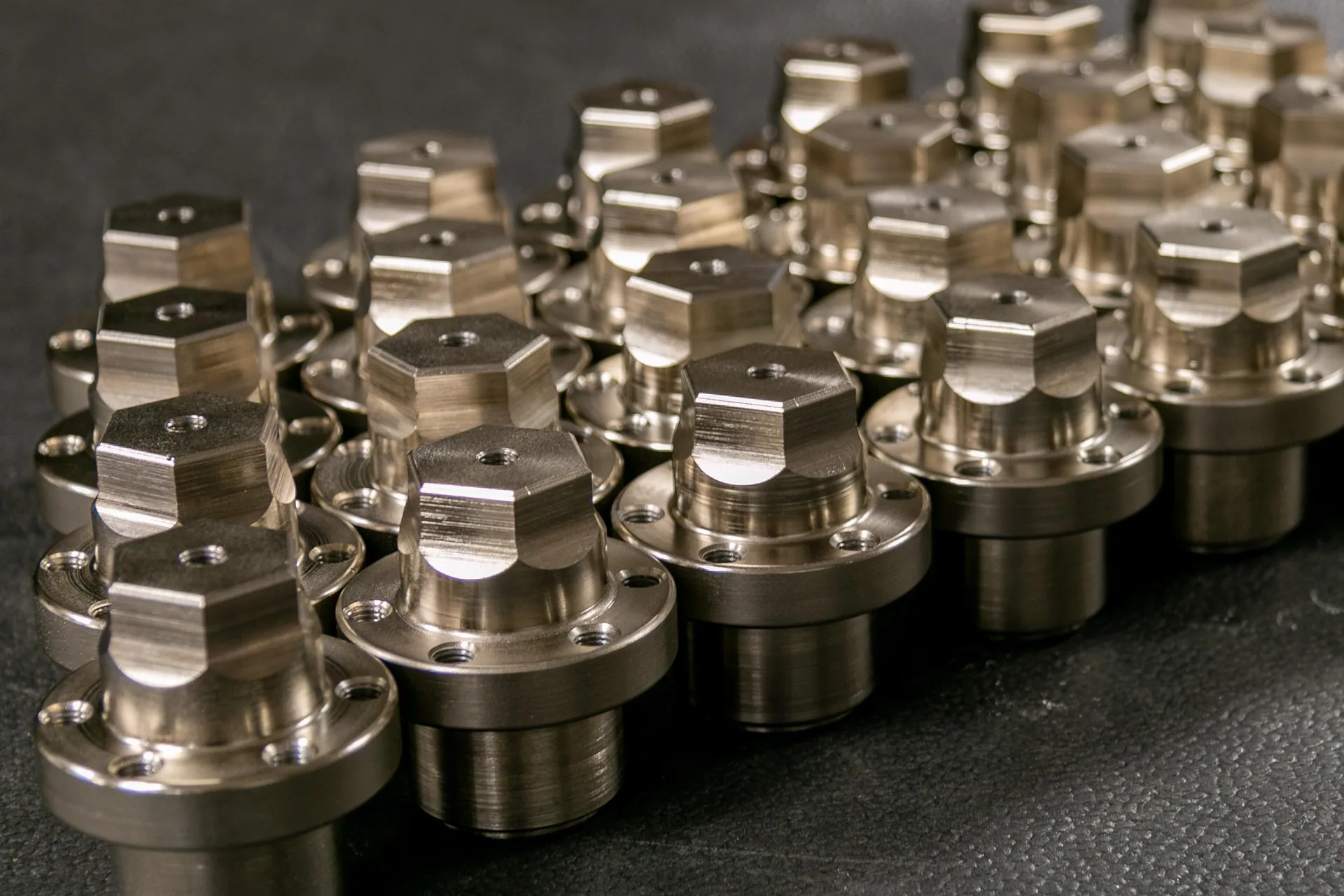
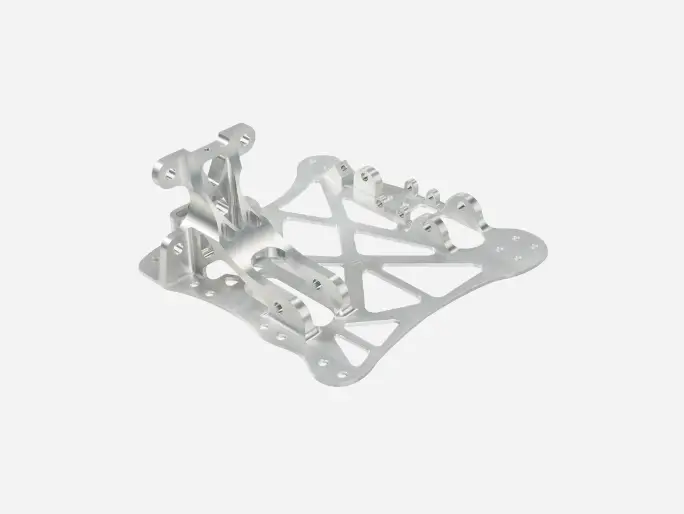
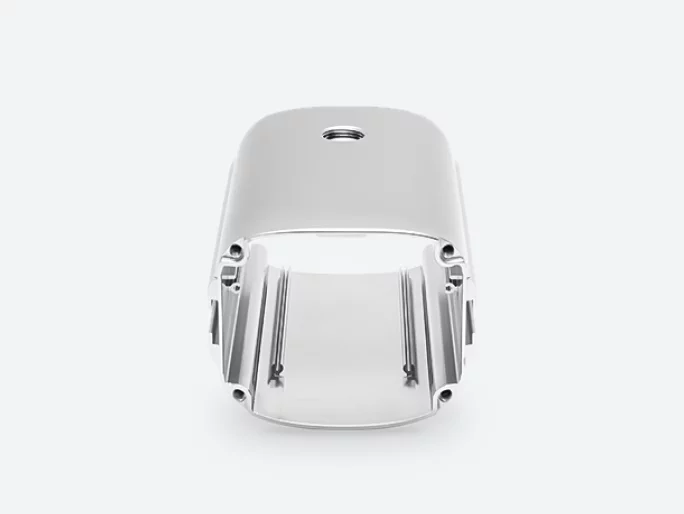
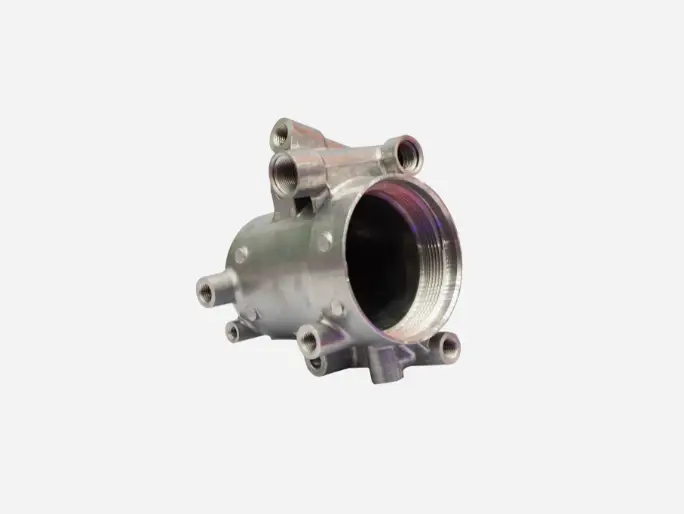
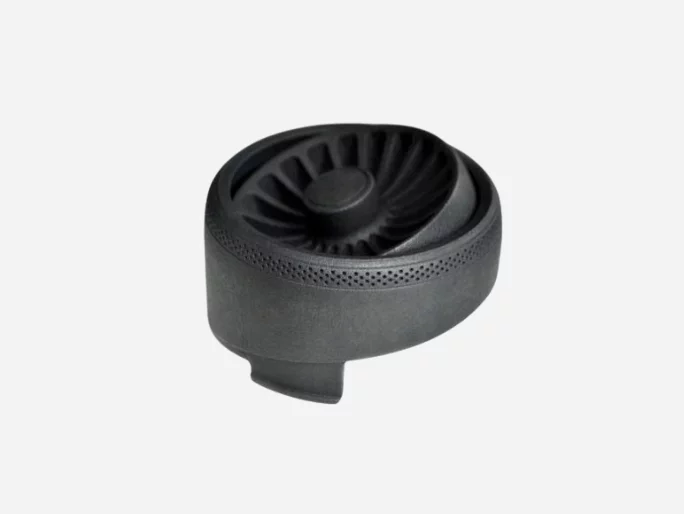
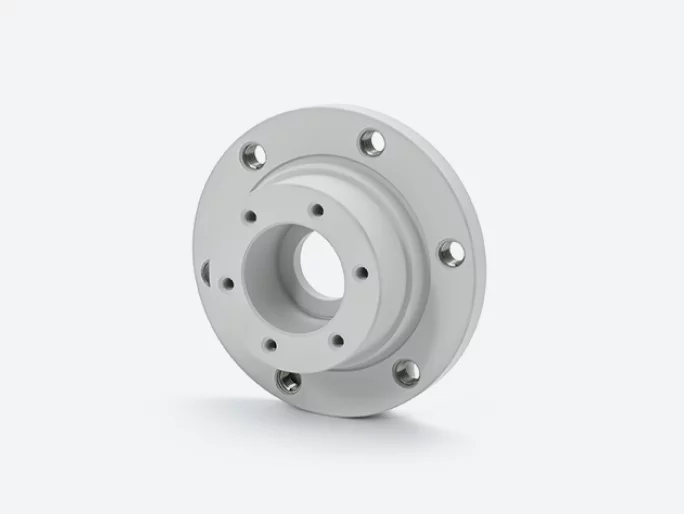
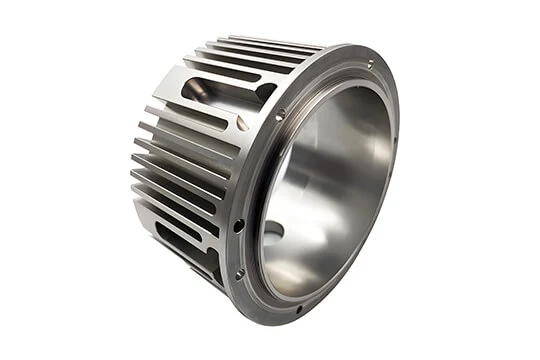
 Standard (As-Milled) (Ra 125μin) | | Metals, plastics | The surface the cutter leaves — visible tool marks, Ra 3.2 µm by default. Use it when: Internal or covered faces; no masking, no lead time. |
|---|
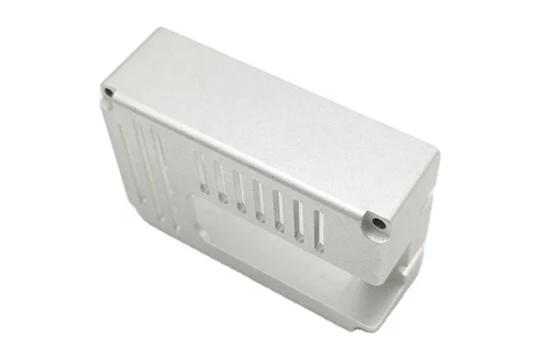 Bead Blast | | Metals, some plastics | Uniform matte that erases tool marks and keys paint or adhesive. Use it when: Before coating, or when a consistent matte look is wanted. |
|---|
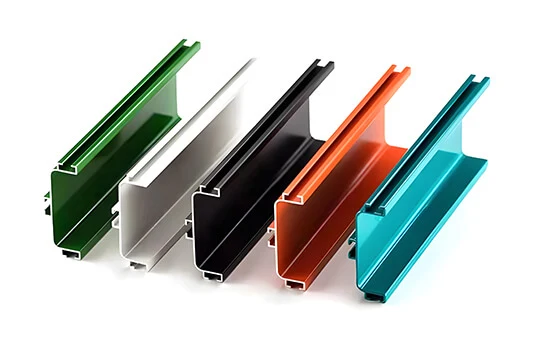 Bead blast + Anodized color | | Aluminium | Blast for a matte base, then anodize and dye — deep even colour, no tool marks. Use it when: Visible aluminium parts where colour and texture both matter. |
|---|
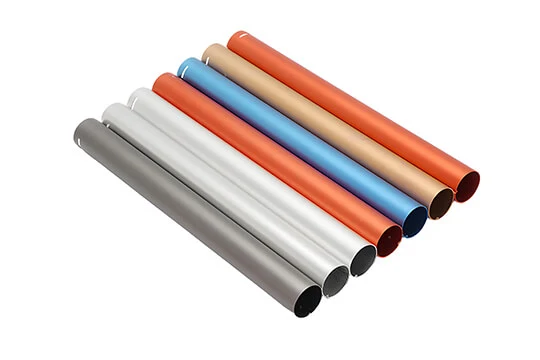 Anodized | | Aluminium | An oxide layer grown into the metal, dyed and sealed — hard, corrosion resistant, non-conductive. Use it when: Handled and visible aluminium; colour without paint. |
|---|
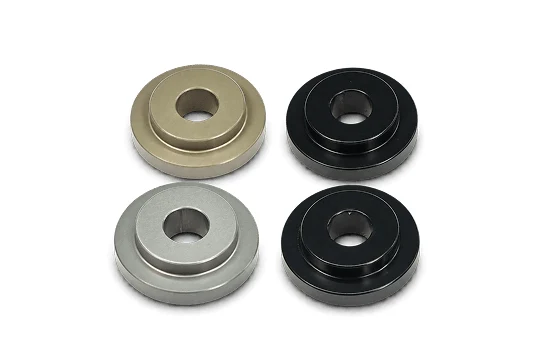 Hard Anodizing (Type III) | | Aluminium | A thicker, denser oxide than Type II — much harder surface, fewer colours, matte grey to black. Use it when: Wear surfaces and parts handled hard. |
|---|
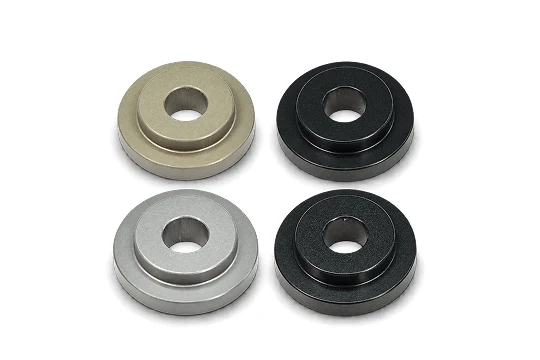 Bead blast + Hard Anodizing (Type III) | | Aluminium | Blast then hard anodize: uniform matte grey-black with Type III wear resistance. Use it when: Functional parts that also have to look consistent. |
|---|
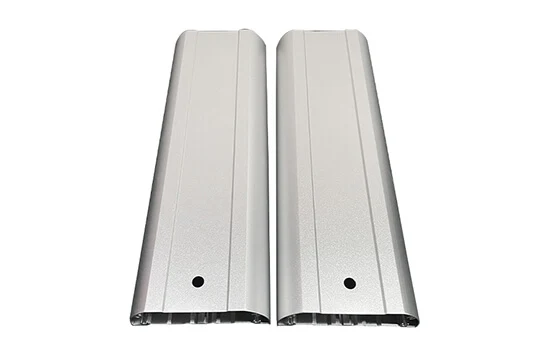 Electrically conductive oxidation | | Aluminium | A chromate conversion layer that protects the surface but stays conductive — the opposite of anodizing. Use it when: Parts that must be earthed or carry current, and aluminium to be painted. |
|---|
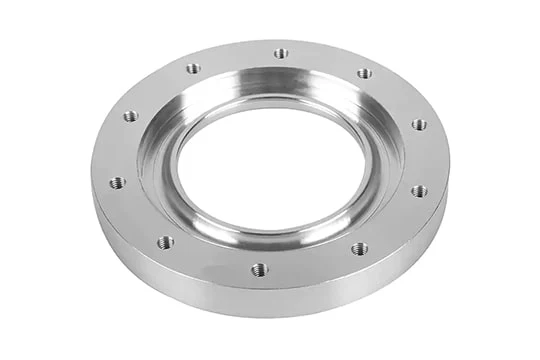 Chemical conversion coat (Chem film) | | Aluminium | The class of coating behind alodine/Iridite — thin, conductive, a key for paint. Use it when: Aerospace and electronics aluminium where conductivity matters. |
|---|
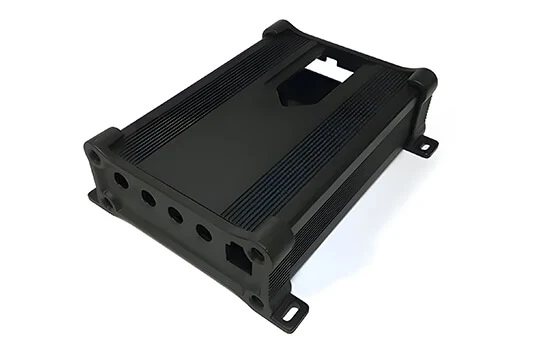 Black oxide | | Steel, stainless, copper alloys | A conversion coating that darkens the surface with almost no dimensional change, and holds oil. Use it when: Tools and fasteners where black matters more than corrosion resistance. |
|---|
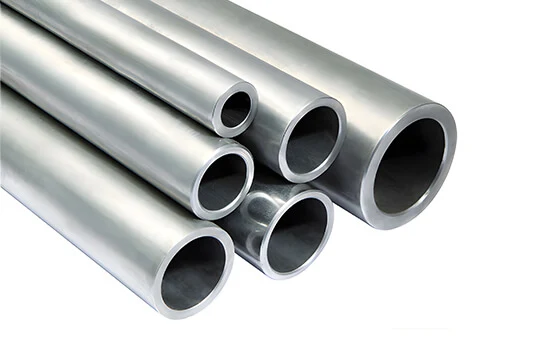 Passivation | | Stainless steel | Removes free iron so the chromium oxide layer rebuilds. No colour change, no size change. Use it when: Every machined stainless part that sees moisture, food or medical service. |
|---|
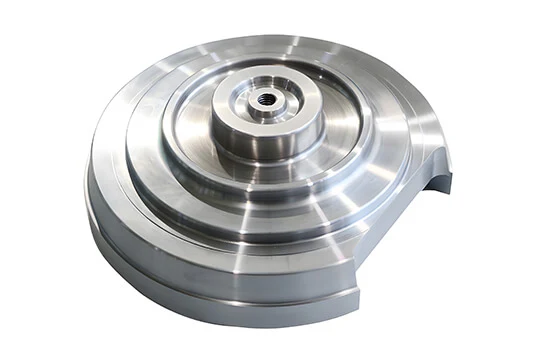 Electropolished | | Stainless steel | Electrochemical polish that removes a microscopic layer — bright, smooth, easy to clean. Use it when: Hygienic and high-vacuum parts. |
|---|
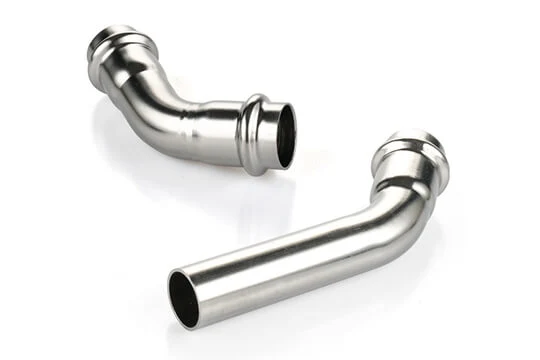 Pickling | | Stainless, steel | Acid removal of scale, heat tint and embedded iron after welding or heat treatment. Use it when: Welded assemblies and parts that were heat treated. |
|---|
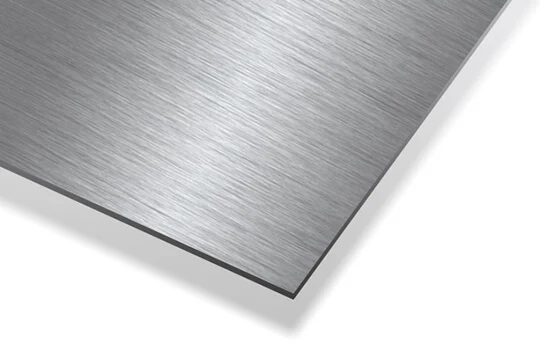 Brushed | | Metals | A directional abrasive finish — fine parallel lines and a uniform sheen. Use it when: Visible panels where a machined look is the intent. |
|---|
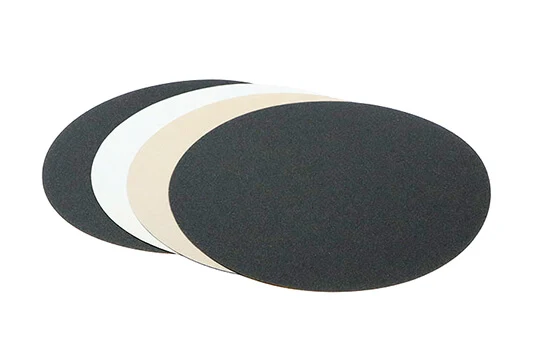 #1000 sanding | | Metals, plastics | Fine abrasive step that removes machining marks and leaves a low sheen. Use it when: Preparation for paint or anodizing; a satin look without polishing. |
|---|
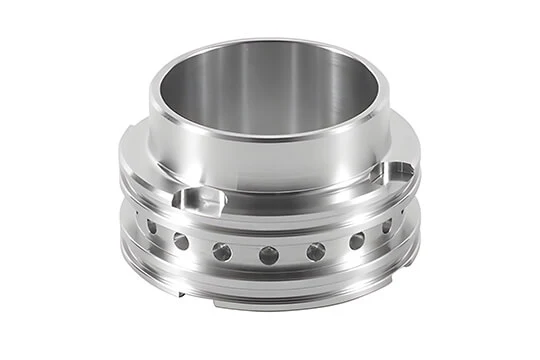 Smooth machining (Ra1.6µm, 63 µin) | | Metals | A finishing pass with a sharp tool and a light depth of cut — the practical limit without grinding. Use it when: Functional faces where Ra 1.6 µm is enough. |
|---|
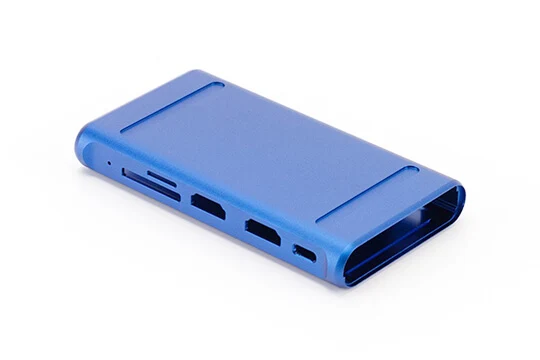 Spray painting - Matt paint | | Metals, plastics | Wet paint in a flat sheen, any RAL colour — thinner than powder coat and cheaper in small runs. Use it when: Colour-critical parts in low volume and prototypes. |
|---|
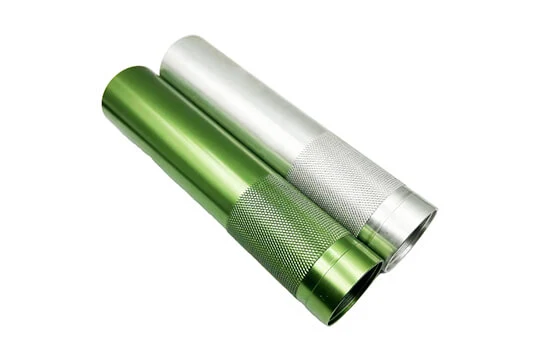 Spray painting - High gloss paint | | Metals, plastics | The same paint with a gloss sheen — sharper reflections, defects show more than on matt. Use it when: Consumer-facing parts that are expected to be glossy. |
|---|
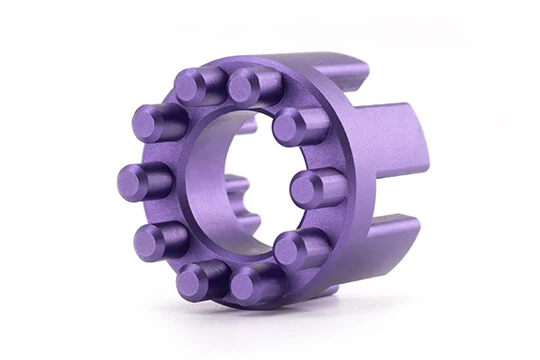 Powder coat - Matt | | Metals | A cured polymer layer, thicker and tougher than paint, in any RAL colour. Use it when: Outdoor hardware, frames and colour-critical metal parts. |
|---|
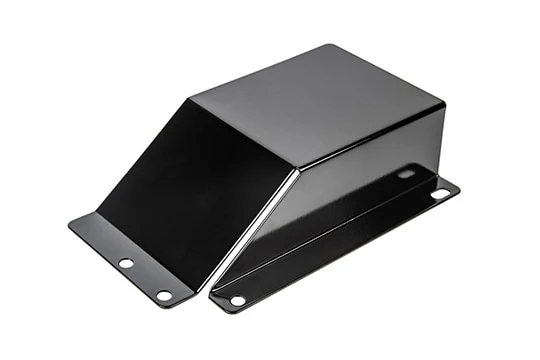 Powder coat - High gloss | | Metals | The same powder system with a gloss finish — harder to hide surface defects, easier to wipe clean. Use it when: Equipment housings and parts that must look new for longer. |
|---|
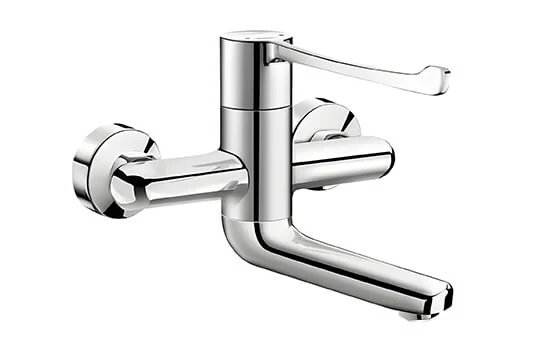 Chrome plating | | Steel, brass, copper, aluminium | A hard decorative layer over a nickel base — high reflectivity and good wear resistance. Use it when: Appearance-critical parts and hard, low-friction surfaces. |
|---|
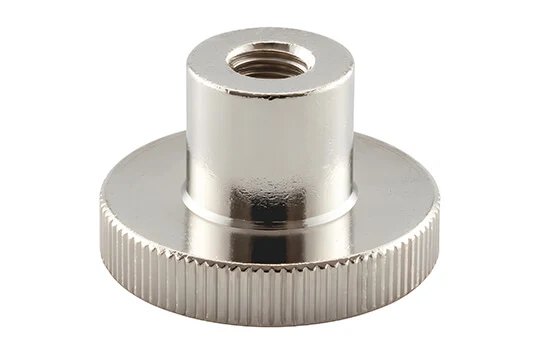 Nickel plating | | Steel, brass, copper | Hard decorative layer with good corrosion resistance; electroless nickel coats internal features evenly. Use it when: Visible hardware, contacts and wear surfaces. |
|---|
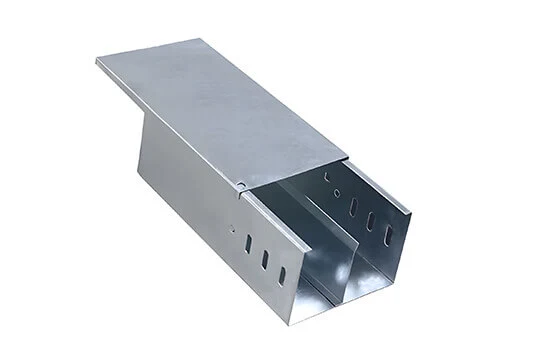 Zinc plating | | Steel | A sacrificial zinc layer in blue-white, yellow or black — standard protection for steel fasteners. Use it when: Steel parts exposed to atmosphere, where cost matters. |
|---|
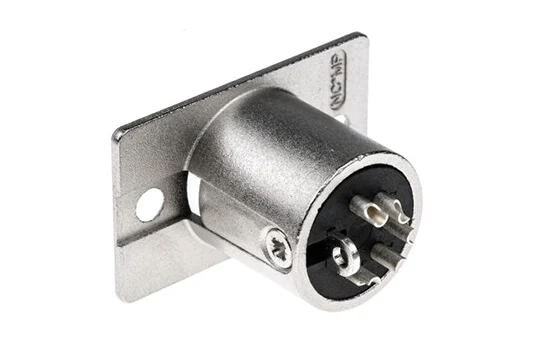 Silver plating | | Brass, copper | The lowest-resistance plating, used where conductivity or a bright white finish is the point. Use it when: Electrical contacts, RF parts and decorative hardware. |
|---|
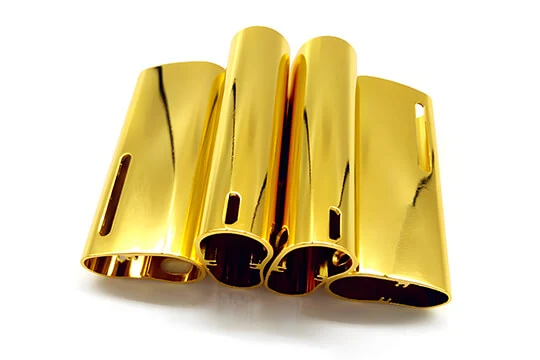 Gold plating | | Brass, copper | A thin gold layer for contact resistance, tarnish resistance and appearance. Use it when: Connector contacts and premium visible hardware. |
|---|
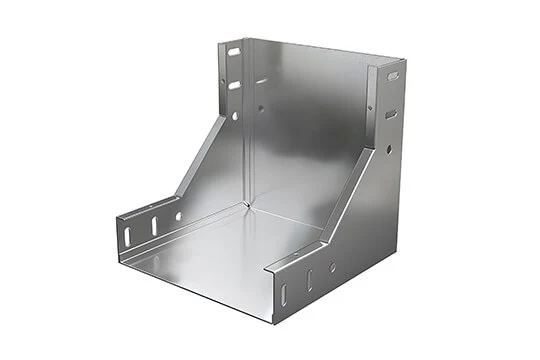 Tin plating | | Copper, steel | A soft, solderable, matte silver layer — used for solderability rather than looks. Use it when: Parts that will be soldered and busbars. |
|---|
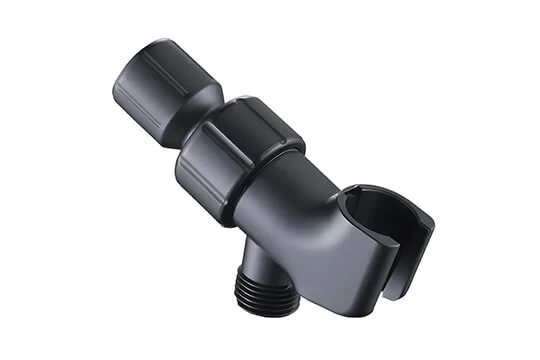 Vacuum plating - Matt paint | | Plastics, metals | Vacuum metallising under a matt topcoat — a metallic look without plating the substrate. Use it when: Plastic housings that need a metal appearance. |
|---|
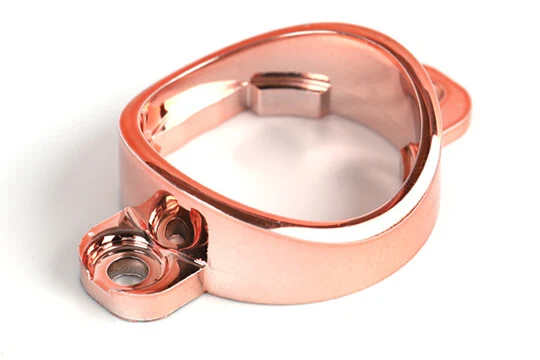 Vacuum plating - High gloss paint | | Plastics, metals | The same process with a gloss topcoat — mirror-like, chrome-substitute on plastic. Use it when: Cosmetic plastic parts, decorative trims. |
|---|
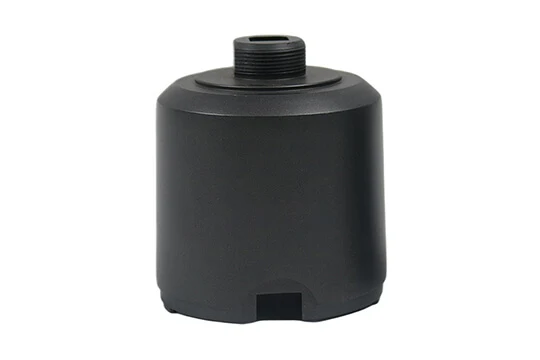 Electrophoresis | | Metals | Electrodeposited paint that covers every surface including edges and internal corners, evenly. Use it when: Parts with complex geometry where spray would miss surfaces. |
|---|
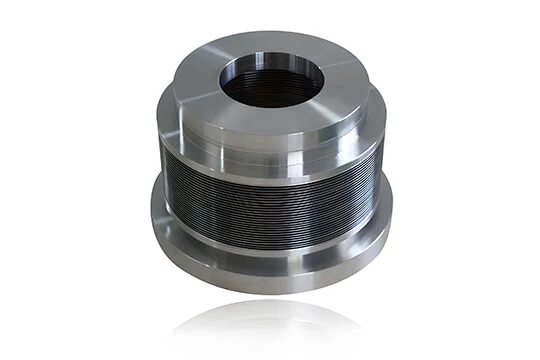 PVD (Physical Vapor Deposition) | | Metals, plastics | A vacuum-deposited hard film in gold, black or blue tones — hard, thin, durable. Use it when: Wear parts and premium finishes without a plating line. |
|---|
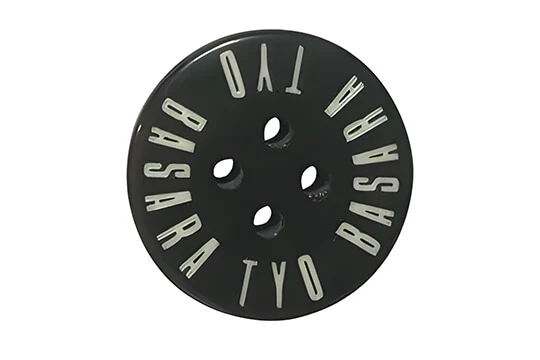 Laser engraving | | Metals, plastics | Permanent marking by removing or altering the surface — no ink, no tooling. Use it when: Serial numbers, UDI codes and logos that must survive the part. |
|---|
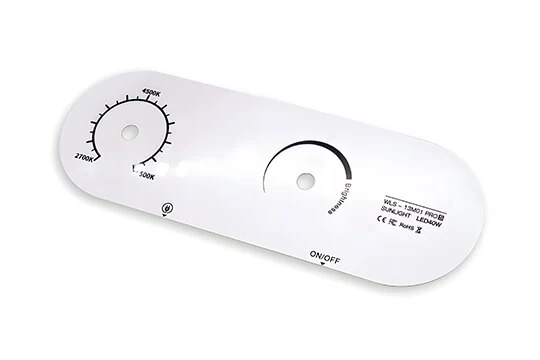 Silkscreen | | Metals, plastics | Ink printed through a screen — flat, fast, and the cheapest way to add text or a legend. Use it when: Legends, scales and simple graphics on flat faces. |
|---|
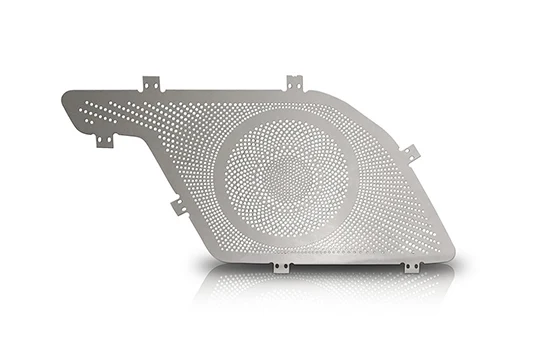 Etching | | Metals | Chemical or laser removal of material to create recessed marks or textures. Use it when: Branding with a recessed feel, and textured grip areas. |
|---|
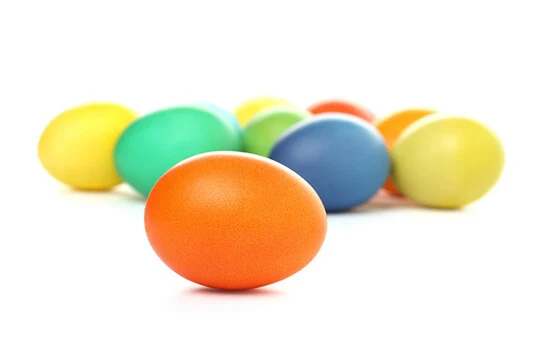 Dyeing | | Aluminium, plastics | Colour absorbed into an anodised layer or a porous plastic — deep, even, no paint film. Use it when: Colour on anodised aluminium without a coating thickness. |
|---|
 Others | | Depends on process | Anything not on this list — assembly marking, masking, special coatings, customer-specified processes. Use it when: When the drawing names a finish that is not standard. |
|---|