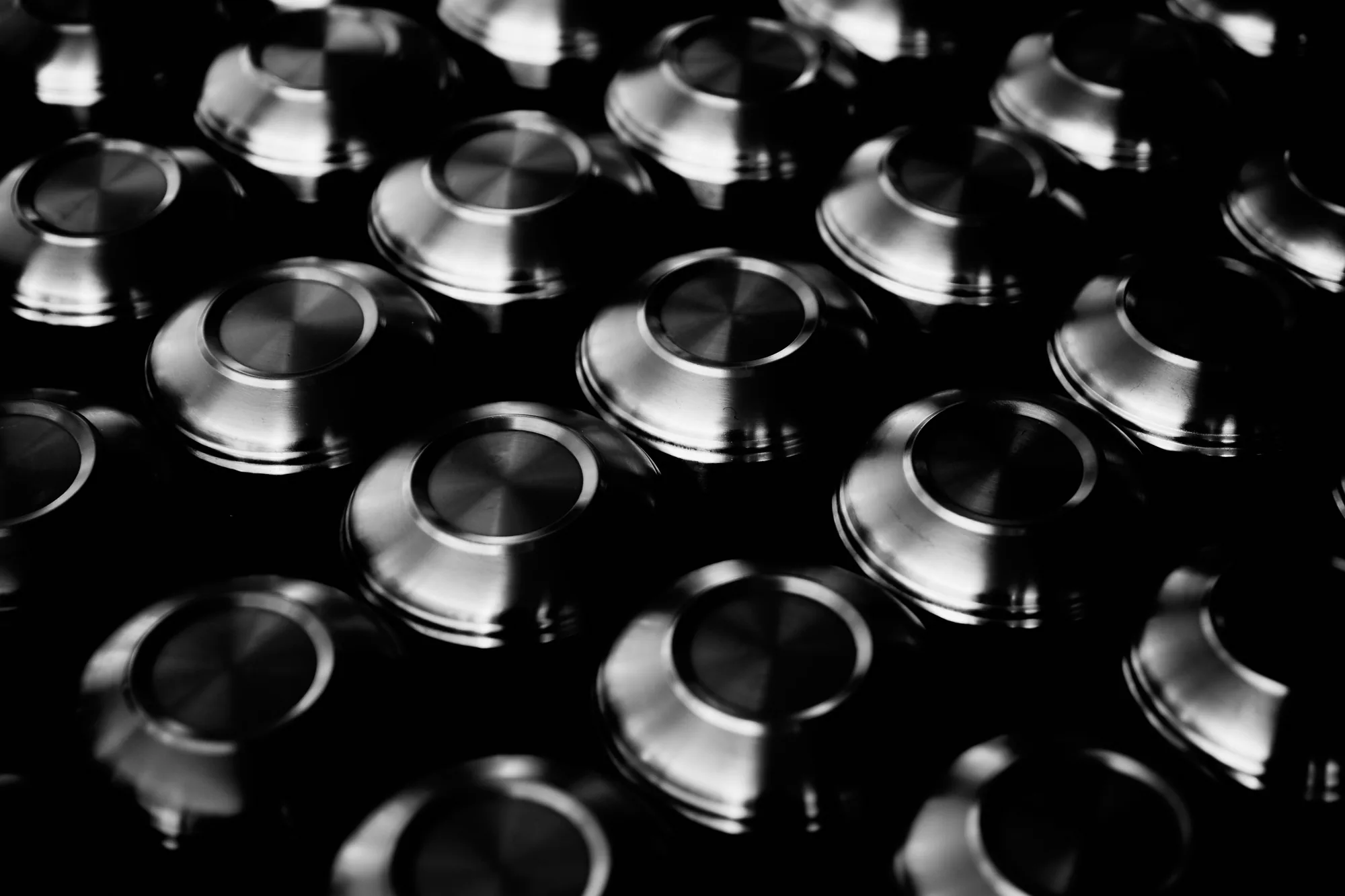
stainless steel machined parts
Stainless Steel CNC Machined Parts — 303, 304 & 316L
Stainless steel machined parts machined to your drawing, with grade selection advice and material certificates supplied with the order.
Upload your drawing (STEP, IGES, DWG, DXF, PDF) — we return DFM feedback and a quote within 24 hours.
- MOQ
- From 50 pcs
- Sample
- 5–10 days
- Production
- 25–35 days
- Finishing
- Through partner network
- Documents
- MTR + pre-shipment photos
Grades we machine
We machine stainless steel machined parts from three grades we run every week on our own floor in Qidong, Jiangsu Province: 303, 304, and 316L. The right choice depends on how the part is loaded, exposed, and joined, so we recommend a grade against the drawing instead of defaulting to one.
- 303 stainless steel is the free-machining grade in the group. The added sulfur lets it cut cleanly with less tool wear, so it is the practical default for turned parts such as screws, nuts, and threaded fittings. Skip it where the part will be welded.
- 304 stainless steel is the general-purpose grade. It welds well and resists corrosion in most environments, which makes it the workhorse for brackets, housings, and fluid fittings. It cuts a little harder than 303 and work-hardens if a pass is too light.
- 316L stainless steel is specified where chloride, salt, or chemical exposure matters, such as marine and process fittings. The low-carbon “L” grade welds without sensitizing. It costs more and cuts the slowest of the three, so we plan tooling and cycle time around it.
Machining characteristics of stainless steel machined parts
Stainless is tougher to machine than aluminum or free-machining steel. It work-hardens under the cutter, so we keep tools sharp and feeds consistent; a light rubbing pass can harden the surface and dull the edge. It also conducts heat poorly, so heat concentrates at the cutting edge. We run controlled speeds and coolant to protect tool life and hold ±0.01 mm on precision features, with ISO 2768-m as the general tolerance unless your drawing says otherwise.
All of that means stainless steel machined parts cost more per piece than the same geometry in aluminum or carbon steel. Thin walls and long slender sections also deflect, so we plan the cut sequence and add support before quoting. We return DFM feedback with your quote within 24 hours, and orders start at 50 pieces.
Typical parts made from this material
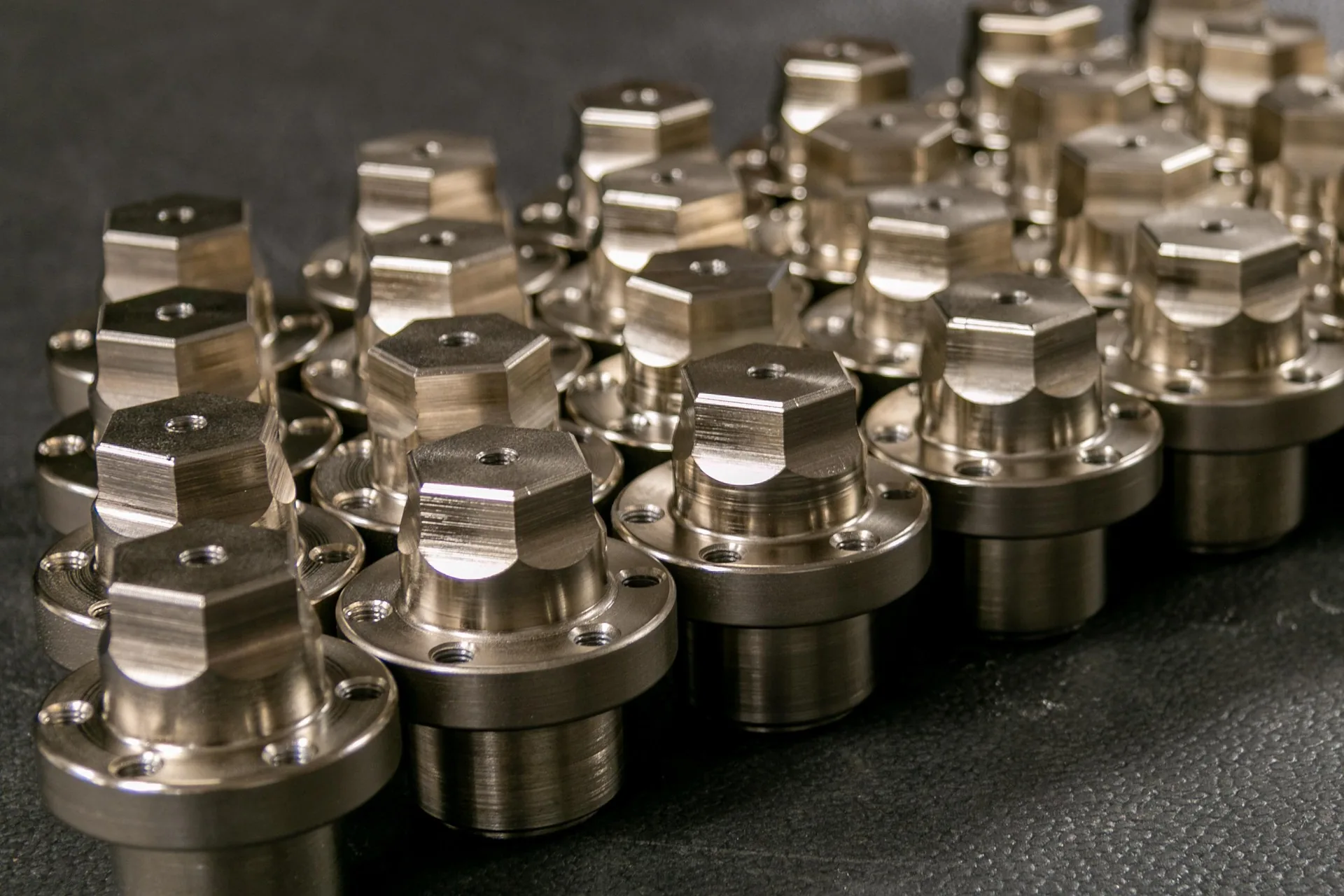
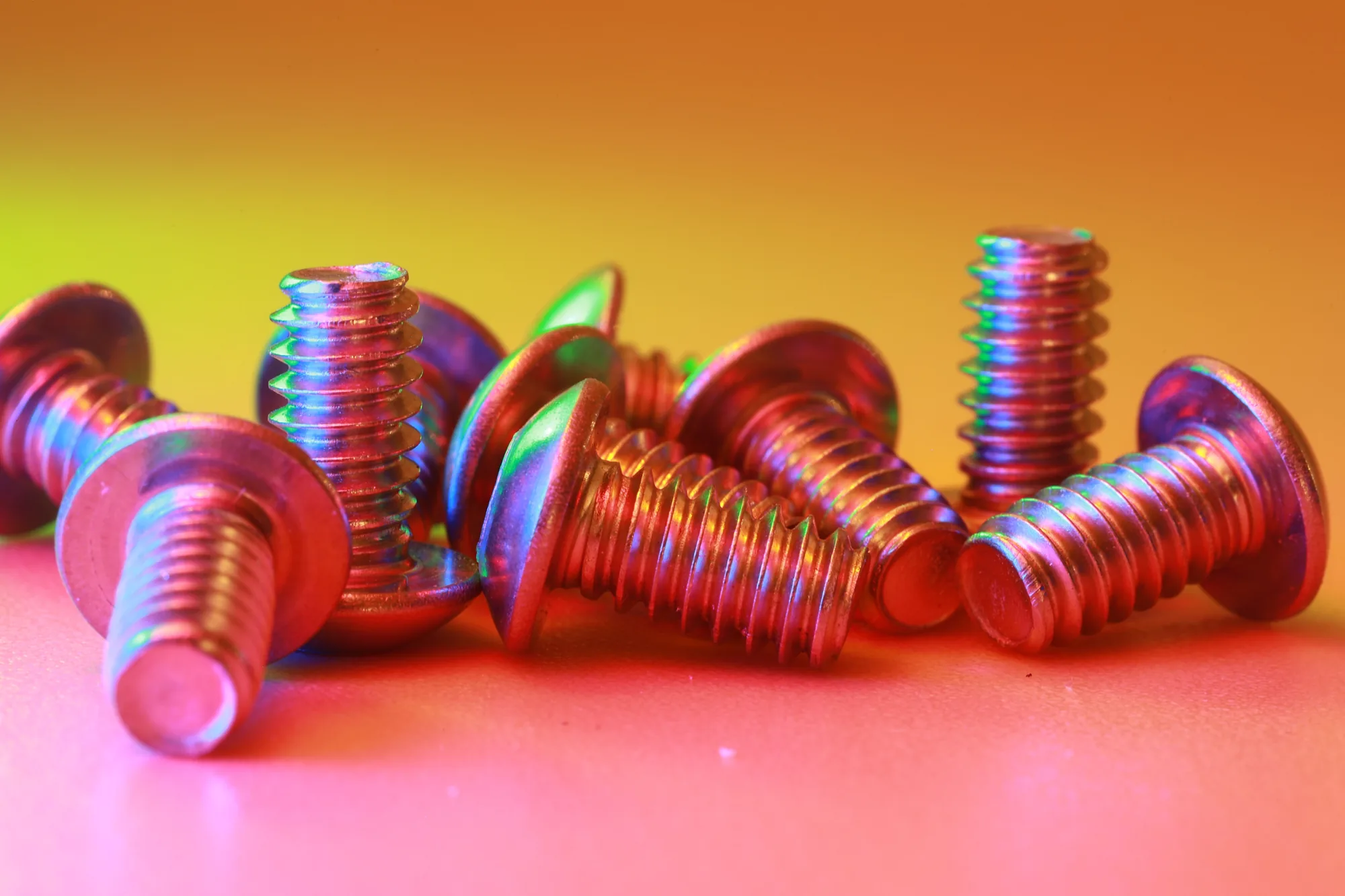
Stainless suits threaded and fluid-path hardware, and it covers most of the fastener families we machine. Common orders include stainless steel bolts and nuts, stainless steel screws and nuts, threaded rods, shafts, bushings, brackets, and fittings.
- Stainless steel bolts and nuts in 303 or 304, plus washers to match.
- Stainless steel screws and threaded rods and studs for assembly hardware.
- Shafts and bushings and sleeves where 316L corrosion resistance is required.
- Fittings and adapters and valve bodies for fluid and process connections.
Surface finishes that pair well
Stainless parts often ship as-machined, but we can add finishes through our vetted partner network, managed under one quality process:
- Passivation removes free iron and restores the natural corrosion resistance of 303, 304, and 316L.
- Electropolishing smooths and brightens surfaces for clean, low-contamination environments.
- Black oxide gives stainless a uniform matte black appearance.
- Sand blasting and polishing and brushing create cosmetic textures and directional finishes.
Frequently asked questions
Which stainless steel grades do you machine?
We machine 303, 304, and 316L stainless steel. 303 is the free-machining grade for screws and nuts, 304 is the general-purpose workhorse, and 316L is the choice for marine and chemical exposure. We recommend a grade against your drawing when you request a quote, which we return within 24 hours.
Do you make stainless steel bolts and nuts?
Yes. Stainless bolts and nuts, stainless steel screws and nuts, washers, studs, and threaded rods are all standard orders for us. When you buy stainless steel bolts from us, the run starts at 50 pieces per style and material, and a material certificate ships with every batch.
What tolerance can you hold on stainless steel machined parts?
We hold ±0.01 mm on precision features and work to ISO 2768-m as the general tolerance unless your drawing states otherwise. Stainless work-hardens, so we control feeds and tooling to keep dimensions stable across the run and avoid a rubbing pass that dulls the tool.
Why does stainless cost more to machine than aluminum?
Stainless is harder on tools, cuts more slowly, and work-hardens under the cutter. Those factors raise cycle time and tool wear, which raises unit cost. We plan the cut sequence in DFM feedback so you only pay for the tolerance the part actually needs.
What finishes can you apply to stainless parts?
Common options are passivation, electropolishing, black oxide, sand blasting, and polishing and brushing. Finishing is applied through our vetted partner network, managed under one quality process, and the dimensional impact on threads and mating faces is checked before and after finishing.
What documents ship with stainless parts?
Every batch ships with a material certificate (MTR) and pre-shipment photos. If your drawing needs a specific grade or surface finish, tell us up front and we will quote it within 24 hours with DFM feedback on the best way to machine it.
Send your drawing — quote in 24 hours
DFM feedback, material certificates and pre-shipment photos come with every order.