custom pins
Custom Pins & Dowels — Precision Machined
We manufacture custom pins to your drawing — turned, milled and finished in one factory, with a material certificate and pre-shipment photos before the goods ship.
Upload your drawing (STEP, IGES, DWG, DXF, PDF) — we return DFM feedback and a quote within 24 hours.
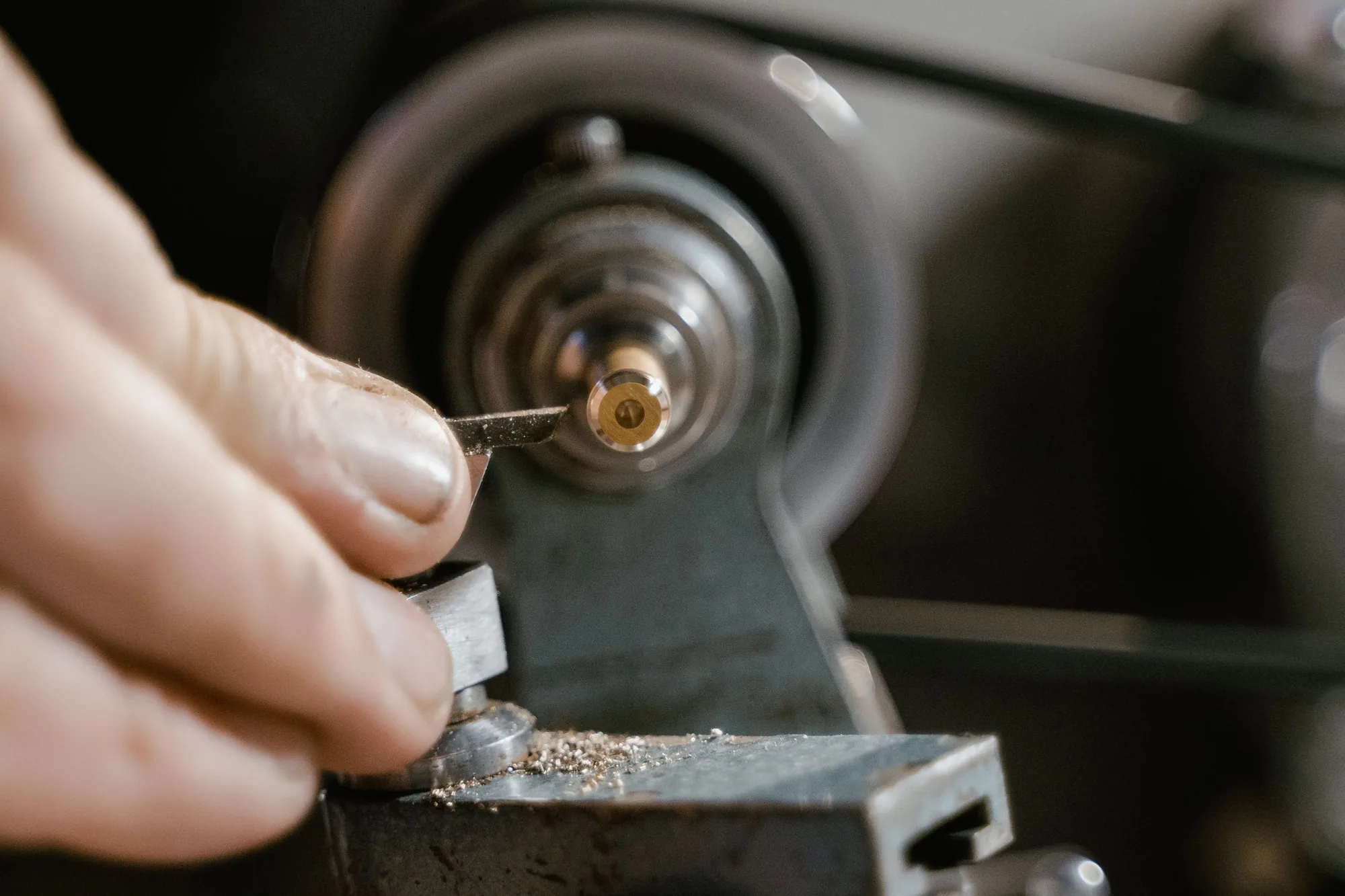
- Tolerance
- ±0.01 mm
- MOQ
- From 50 pcs
- Sample
- 5–10 days
- Production
- 25–35 days
- Documents
- MTR + pre-shipment photos
What this part is and where it is used
A pin is a cylindrical fastener that locates, aligns, pivots or retains parts. Unlike a screw or a bolt, most pins carry shear load and do their work through the fit of the shank in a hole rather than through a thread pulling the joint together. Dowel pins register two components in exact alignment. Clevis pins form a pivot, held by a cotter pin through a cross-hole. Spring pins are hollow, slotted cylinders that compress to grip the hole wall. Taper pins wedge into a reamed taper to lock a hub or lever onto a shaft.
Buyers order custom pins when a catalog part does not fit the drawing — an off-standard length or diameter, a stepped or threaded shank, a particular head form, or a material such as 316L, brass or titanium. A pin is a small part with a tight job: it has to hold position and load for the life of the assembly. We machine it to your print, not to a stock table.
The buyer is usually an engineer or a procurement team specifying to a print. The pin arrives ready to fit, so the drawing — not a catalog number — is the specification.
Types and variants we manufacture
We machine the common pin forms to your drawing:
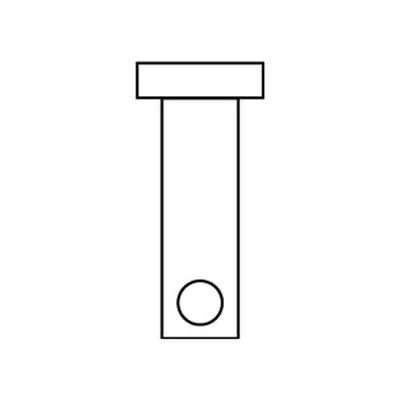
- Clevis pins — a head at one end and a cross-hole for a cotter pin, per ISO 2341.
- Split cotter pins — bent-wire retainers per ISO 1234 / DIN 94.
- Dowel pins — parallel pins, unhardened per ISO 2338 / DIN 7 or hardened per ISO 8734.
- Spring pins (roll pins) — slotted hollow cylinders, heavy duty per ISO 8752 / DIN 1481 or light duty per ISO 13337.
- Taper pins — ISO 8737, wedged into a reamed taper to hold shafts and hubs together.
- Grooved pins — DIN 1471–1477, with longitudinal grooves that grip the hole wall.
- Hitch pins — retaining pins with a handle or ring for fast, tool-free release on implements and trailers.
- Locating pins — head, shoulder and threaded forms that register workpieces in fixtures and dies.
- Pin-type fasteners — stepped, shouldered, grooved or threaded pins drawn to your exact print.
Every form is turned, milled, drilled, grooved and threaded from your drawing. Where a volume blank is better produced by cold or hot heading, forging, stamping or casting, we can route it that way in-house or through our vetted partner network, so the job is never limited to a single forming method.
Materials, threads and finishes
We machine pins from aluminium 2024, 5052, 6061 and 7075; stainless steel 303, 304, 316, 316L and 17-4PH; carbon steel 1045 and 1215; alloy and tool steel 4140, D2 and O1; brass, copper and bronze; and titanium. Stainless steel suits corrosion service; hardened 4140 dowel pins suit high load and wear, and D2 and O1 cover the harder-wearing dowel and locating-pin work; brass, bronze and copper suit conductivity and instrument work; titanium suits weight-critical assemblies. See our materials, stainless steel parts, aluminium parts, steel parts, brass and copper parts and titanium parts pages.
The right grade depends on the pin’s job: a locating pin in a fixture is often through-hardened 4140, a marine clevis pin is 316L for corrosion, and a light instrument pin may be brass. Whatever the grade, the material certificate (MTR) for the raw bar follows the batch.
Threaded pins follow metric or inch references from your print — see our thread standards guide. Heat treatment and grinding for hardened pins, and finishing such as zinc plating, black oxide, passivation for stainless steel, anodizing for aluminium and nickel plating or chrome plating, run through our vetted partner network under one quality process.
Industries and applications
Pins appear wherever parts must be located, pivoted or retained. Dowel and locating pins serve machine fixtures, dies and tooling. Clevis and hitch pins serve agriculture, automotive and material-handling equipment. Spring and grooved pins serve hydraulic and pneumatic assemblies. Taper pins lock levers and gears onto shafts in marine and oil and gas equipment. Small dowel and cotter pins appear throughout electronics hardware. Dowel pins also align housings in aerospace and medical assemblies where repeatable positioning matters. In every case the pin is machined to the print and shipped with a material certificate.
Why order this part from our factory
Pins are machined in our own factory in Qidong City, Jiangsu Province, China — turned, milled, drilled, grooved and threaded on our floor. Precision features are held to ±0.01 mm and general dimensions to ISO 2768-m unless your drawing states otherwise. We mill within an 800 × 500 mm envelope and hold monthly capacity above 100,000 parts, scheduled flexibly around your delivery dates.
Orders start from 50 pieces, with samples from a single piece. Sample pins take 5–10 days and production runs 25–35 days after sample approval. Send a drawing and we return DFM feedback with a quote within 24 hours, so any feature can be corrected before we cut. Every batch ships with a material certificate (MTR) and pre-shipment photos — the two documents we include as standard. Reach us through the quote form or on WhatsApp; no email chain needed.
Specifications
| Part types | Clevis · cotter · dowel · spring (roll) · taper · grooved · hitch · locating pins · pin-type fasteners |
|---|---|
| Forming methods | Turned, milled, drilled, grooved and threaded; cold/hot heading, forging, stamping and casting in-house or through our vetted partner network |
| Materials | Aluminium 2024 / 5052 / 6061 / 7075 · stainless steel 301 / 303 / 304 / 304L / 316 / 316L / 410 / 416 / 17-4PH · carbon steel 1045 / 1215 / 12L14 · alloy & tool steel 4130 / 4140 / D2 / O1 · brass · bronze · copper · titanium |
| Tolerance | ±0.01 mm precision features · ISO 2768-m general unless stated |
| Threads | Metric and inch, per drawing |
| Standards | ISO 2341 · ISO 1234 / DIN 94 · ISO 2338 / DIN 7 · ISO 8734 · ISO 8752 / DIN 1481 · ISO 13337 · ISO 8737 · DIN 1471–1477 |
| Finishes | Zinc plating · black oxide · passivation · anodizing · nickel plating · chrome plating — through our vetted partner network |
| Heat treatment & grinding | Hardening, tempering and grinding per drawing — in-house or through our vetted partner network |
| MOQ | From 50 pieces · samples from 1 piece |
| Sample lead time | 5–10 days |
| Production lead time | 25–35 days after sample approval |
| Quote | Within 24 hours with DFM feedback |
| Documents | Material certificate (MTR) + pre-shipment photos |
| Milling envelope | 800 × 500 mm |
| Monthly capacity | Over 100,000 parts |
| Diameter | 1–25 mm, ground to h6 |
| Length | 4–200 mm |
| Types | Dowel, clevis, cotter, taper |
| Lot size | 100–20,000 pcs |
| General tolerance | ISO 2768-m unless stated on the drawing |
| Rivet types | Solid, semi-tubular, blind, shoulder, rivet nuts, clevis and cotter pins |
| Head styles | Flat, countersunk, round, pan, truss and custom heads to drawing |
| Setting methods | Impact, orbital, compression, squeeze and pull-through |
| Samples | 5–10 days |
| Capacity | Over 100,000 parts per month |
| Body diameter | 1.5–12 mm |
| Head forms | Round, flat, countersunk, pan |
| Secondary | Anodising, tumbling, anneal |
Frequently asked questions
What is the minimum order quantity for custom pins?
We start from 50 pieces per style and material, with samples available from a single piece so you can confirm fit before committing to a production run.
What are your lead times for pins?
Sample pins take 5–10 days and production runs take 25–35 days after sample approval. We return DFM feedback with a quote within 24 hours of receiving your drawing.
What tolerances can you hold on a pin?
Precision features such as the shank diameter are held to ±0.01 mm, and general dimensions follow ISO 2768-m unless your drawing states otherwise.
Which materials do you machine pins from?
Aluminium 2024, 5052, 6061 and 7075; stainless steel 303, 304, 316, 316L and 17-4PH; carbon steel 1045 and 1215; alloy and tool steel 4140, D2 and O1; brass, copper and bronze; and titanium.
Can you make pins to a standard such as ISO 2338 or ISO 8752?
Yes. We machine dowel pins to ISO 2338 / DIN 7 and ISO 8734, spring pins to ISO 8752 / DIN 1481 and ISO 13337, clevis pins to ISO 2341, taper pins to ISO 8737 and grooved pins to DIN 1471–1477 — or to your exact drawing.
Do you make stepped, shouldered or threaded pins?
Yes. Pins are turned, milled, drilled, grooved and threaded to your print, including head forms, shoulders, cross-holes and internal or external threads.
Can you harden dowel pins?
Yes. Hardened dowel pins in 4140 or other alloy steel are machined and hardened to the drawing, with heat treatment and grinding available in-house or through our vetted partner network.
Which surface finishes are available?
Zinc plating, black oxide, passivation for stainless steel, anodizing for aluminium, and nickel or chrome plating — all run through our vetted partner network under one quality process.
Do you provide material certificates?
Every batch ships with a material certificate (MTR) for the raw material and pre-shipment photos of the finished parts, so you can see the parts before they leave the factory.
Are you a factory or a trading company?
We are our own factory in Qidong City, Jiangsu Province, China. Pins are machined on our floor, not resold. See our [factory](/our-factory/) page.
How do I get a quote for custom pins?
Upload your drawing (STEP, IGES, DWG, DXF or PDF) through the [quote form](/request-a-quote/) or send it on WhatsApp. We reply with DFM feedback and a price within 24 hours.
Can you make a very small or very large pin?
Diameter and length follow your drawing rather than a fixed catalog range. Send the print and we will return DFM feedback within 24 hours, including any feature we recommend adjusting for manufacturability.
What is the minimum order for custom rivets?
Our minimum order is from 50 pieces, and we make samples from 1 piece so you can verify geometry and fit before committing to a production run.
Which rivet types can you manufacture?
We make solid, semi-tubular and tubular rivets, blind rivets, shoulder rivets, rivet nuts, and clevis and cotter pins, all to your drawing.
What materials do you offer for rivets?
Aluminium 2024, 5052, 6061 and 7075; stainless steel 303, 304, 316, 316L and 17-4PH; carbon steel 1045 and 1215; alloy steel 4140; brass, copper and bronze; and titanium.
What tolerance can you hold?
We hold ±0.01 mm on precision features and work to ISO 2768-m as the general tolerance unless your drawing states otherwise.
How fast can I get samples?
Sample lots ship in 5–10 days, and production follows in 25–35 days after you approve the samples.
Can you match an existing rivet or a physical sample?
Yes. Send a drawing, a sample, or both, and we will reverse the geometry and return a quote with DFM feedback within 24 hours.
Send your drawing — quote in 24 hours
DFM feedback, material certificates and pre-shipment photos come with every order.