oil and gas machined parts
Machined Parts for Oil & Gas Equipment
Oil and gas machined parts, machined to your drawings with the documentation this industry expects.
Upload your drawing (STEP, IGES, DWG, DXF, PDF) — we return DFM feedback and a quote within 24 hours.
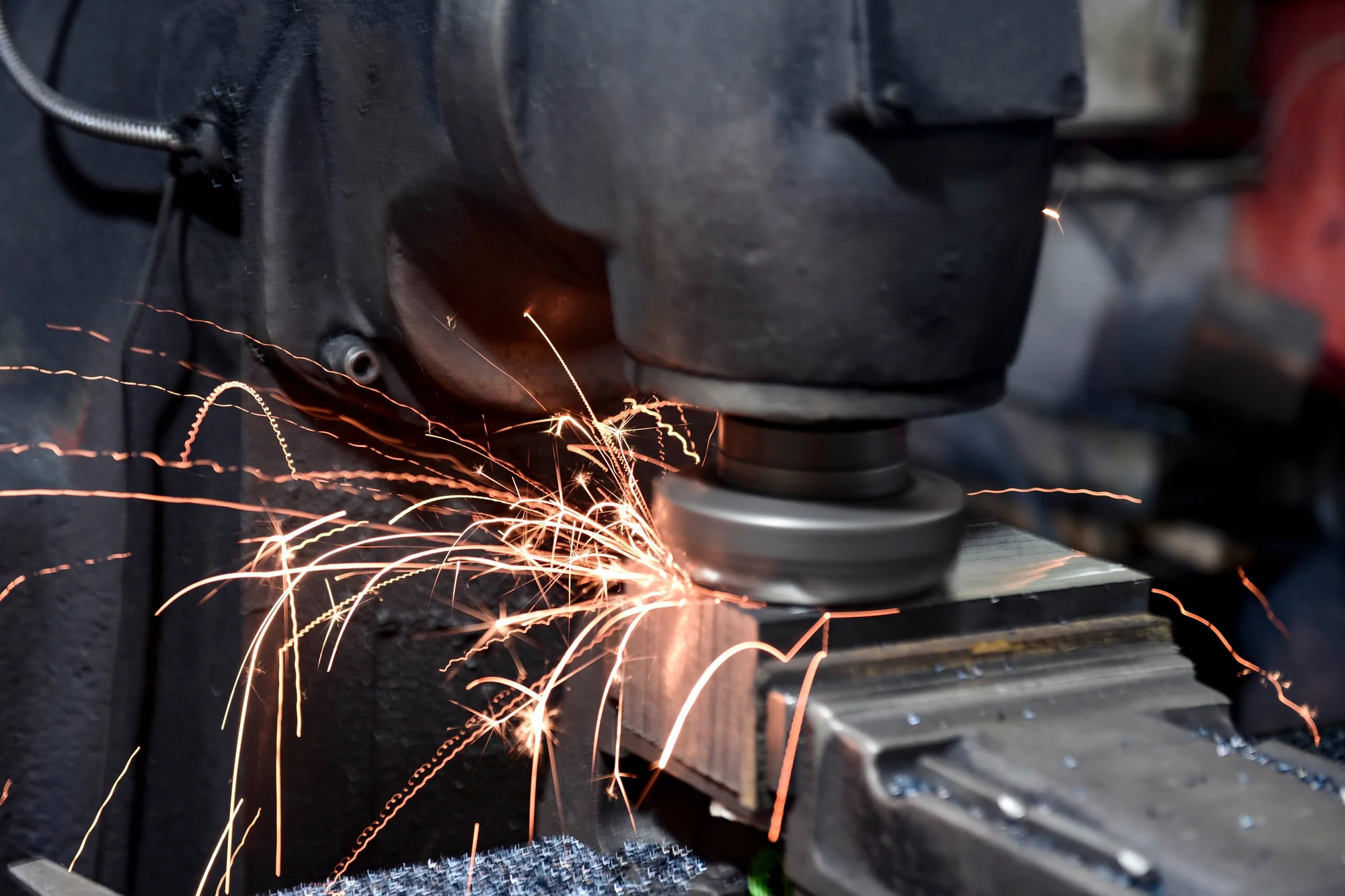
- Tolerance
- ±0.01 mm
- MOQ
- From 50 pcs
- Sample
- 5–10 days
- Production
- 25–35 days
- Documents
- MTR + pre-shipment photos
What this industry requires
Oil and gas parts carry pressure, fluid and often safety-critical duty, so this sector buys on specification compliance more than on price. A valve body, manifold or flange that does not meet the drawing’s material, hardness and sealing requirements can be a liability long after the invoice is paid. That is why we read the full drawing pack before quoting, and why DFM feedback is part of the 24-hour quote rather than an afterthought. A useful RFQ therefore carries more than a part name: material grade, heat condition, hardness, threads, pressure rating and surface finish all belong in the pack, and we review them together because a change in any one of them can move the machining route.
We machine to a general tolerance of ISO 2768-m and hold ±0.01 mm on the precision features the drawing calls out — sealing faces, bores, thread-related geometry and mating surfaces. Where the drawing specifies a material condition, such as a heat-treated 4140 or a specific hardness, we route the work through our vetted partner network and machine the grade you specify. Send the drawing and we confirm the practical process and lead time before any commitment. We also flag the features that drive cost and risk — deep bores, long threads, thin walls and hard-to-reach sealing faces — in the DFM feedback, so the quote reflects the drawing instead of a guess.
Parts we machine for this industry
The parts we machine for this sector include valve bodies and seats, hydraulic manifolds, flanges and couplings, wellhead and downhole components, and instrument fittings. Valve bodies and seats need concentric bores, accurate threads and flat sealing faces that hold pressure. Manifolds need port threads and cross-drilled galleries that line up without leaks. Flanges need flat faces, bolt circles and controlled surface finish. Wellhead and downhole components need clean threads and geometry that survives repeated make-up and break-out. Instrument fittings are small but exacting; thread and cone-seat geometry decide whether a connection holds pressure, so we hold those features to the drawing’s limits. Valve seats are machined for a clean, uninterrupted sealing ring, because any step or tool mark on that ring becomes a leak path.
Round work routes through CNC turning and prismatic work through CNC milling, with composite parts kept in one setup where it protects sealing geometry. See the industries we serve for the wider picture.
Materials and standards commonly used
Material selection follows the drawing, not the other way around. Alloy steel 4140 covers strength-critical parts and responds well to heat treatment through our vetted partner network; stainless 316, 316L and 17-4PH cover corrosion and high-strength corrosion service; 301, 303, 304, 304L, 410 and 416 cover less aggressive duties; and carbon steel 1045 and 1215, aluminium 2024, 5052, 6061 and 7075, brass, bronze, copper and titanium round out the confirmed list on our materials page.
Sour service is a common topic in this sector. At a general level, sour service means the fluid contains hydrogen sulphide, and drawings then reference material requirements such as NACE MR0175 for the grade and condition. We machine to the grade and condition the drawing specifies, and we make no supplier-status claims about our factory. The reason drawing packs here are unusually detailed is that every note — material, hardness, threads, pressure rating, finish — is load-bearing. See materials and drawing requirements for what we ask you to include. The exact grade is named on the material certificate (MTR) that ships with the order, so the steel reaching the wellsite is the grade the drawing called for.
What ships with your order
Every order ships with a material certificate (MTR) for the raw material and pre-shipment photos of the finished parts, so the grade and condition can be confirmed before the parts reach the site. Ordering starts from 50 pieces per style and material, with samples from one piece in 5–10 days and production in 25–35 days after sample approval. Monthly capacity is over 100,000 parts with a milling envelope of 800 × 500 mm. Samples can be machined from one piece so you can trial a fitting or valve component before committing to a batch. Send your drawing through the request a quote form or WhatsApp and we return DFM feedback within 24 hours.
Oil and gas hardware is pressure hardware: bodies, flanges and threaded connections in corrosion-resistant grades. The body work is covered under valve bodies, the connection side under flanges and couplings, and the material choices behind both under stainless steel parts.
Specifications
| Precision tolerance | ±0.01 mm on called-out features |
|---|---|
| General tolerance | ISO 2768-m unless stated on the drawing |
| MOQ | From 50 pieces; samples from 1 piece |
| Sample lead time | 5–10 days |
| Production lead time | 25–35 days after sample approval |
| Quote | Within 24 hours with DFM feedback |
| Milling envelope | 800 × 500 mm |
| Monthly capacity | Over 100,000 parts |
| Stainless steel | 301, 303, 304, 304L, 316, 316L, 410, 416, 17-4PH |
| Alloy steel | 4130 / 4140, with heat treatment via vetted partner network |
| Carbon steel | 1045 / 1215 / 12L14 |
| Aluminium | 2024 / 5052 / 6061 / 7075 |
| Copper alloys | Brass, bronze, copper |
| Titanium | Grade per drawing |
| Documents | Material certificate (MTR) + pre-shipment photos |
Frequently asked questions
What oil and gas parts do you machine?
Valve bodies and seats, manifolds, flanges, wellhead and downhole components, and instrument fittings, all to your drawing.
Why are drawing packs in this sector so detailed?
Parts carry pressure, sealing and safety duties, so drawings name material grade, hardness, threads, pressure rating and surface finish. We review every note and return DFM feedback before we quote production.
What does sour service mean for material selection?
Sour service means the fluid contains hydrogen sulphide. Drawings then reference material requirements such as NACE MR0175 at a general level, and we machine the grade and condition the drawing specifies.
Do you machine valve bodies and seats?
Yes. We machine valve bodies and seats with the bore, thread and sealing-face accuracy the drawing requires.
Do you machine wellhead and downhole components?
Yes, to your drawing and material grade, with the documentation the drawing calls for.
What materials do you use for high-pressure parts?
Alloy steel 4140 for strength with heat treatment through our vetted partner network, and stainless 316L for corrosion resistance, among the grades on our confirmed material list.
Do you machine manifolds and flanges?
Yes. We machine hydraulic manifolds and flanges with flat sealing faces and accurate port threads.
Do you machine instrument fittings?
Yes. We machine fittings and adapters to the thread and cone-seat geometry the drawing calls out.
What is the MOQ and lead time?
Production starts from 50 pieces, with samples from one piece in 5–10 days and production in 25–35 days after approval.
What documents ship with the order?
Every order ships with a material certificate (MTR) for the raw material and pre-shipment photos of the finished parts.
Can you hold ±0.01 mm on sealing faces?
Yes, on the precision features the drawing calls out; general dimensions follow ISO 2768-m.
Where is your factory and how do I get a quote?
Our factory is in Qidong City, Jiangsu Province, China. Send your drawing through the request a quote form or WhatsApp for DFM feedback and a quote within 24 hours.
Send your drawing — quote in 24 hours
DFM feedback, material certificates and pre-shipment photos come with every order.