secondary operations
Secondary Operations — Thread Rolling, Knurling & Deburring
Secondary operations for custom and non-standard parts, machined from your drawings at our factory in China. Send a drawing and we return DFM feedback with a quote.
Upload your drawing (STEP, IGES, DWG, DXF, PDF) — we return DFM feedback and a quote within 24 hours.
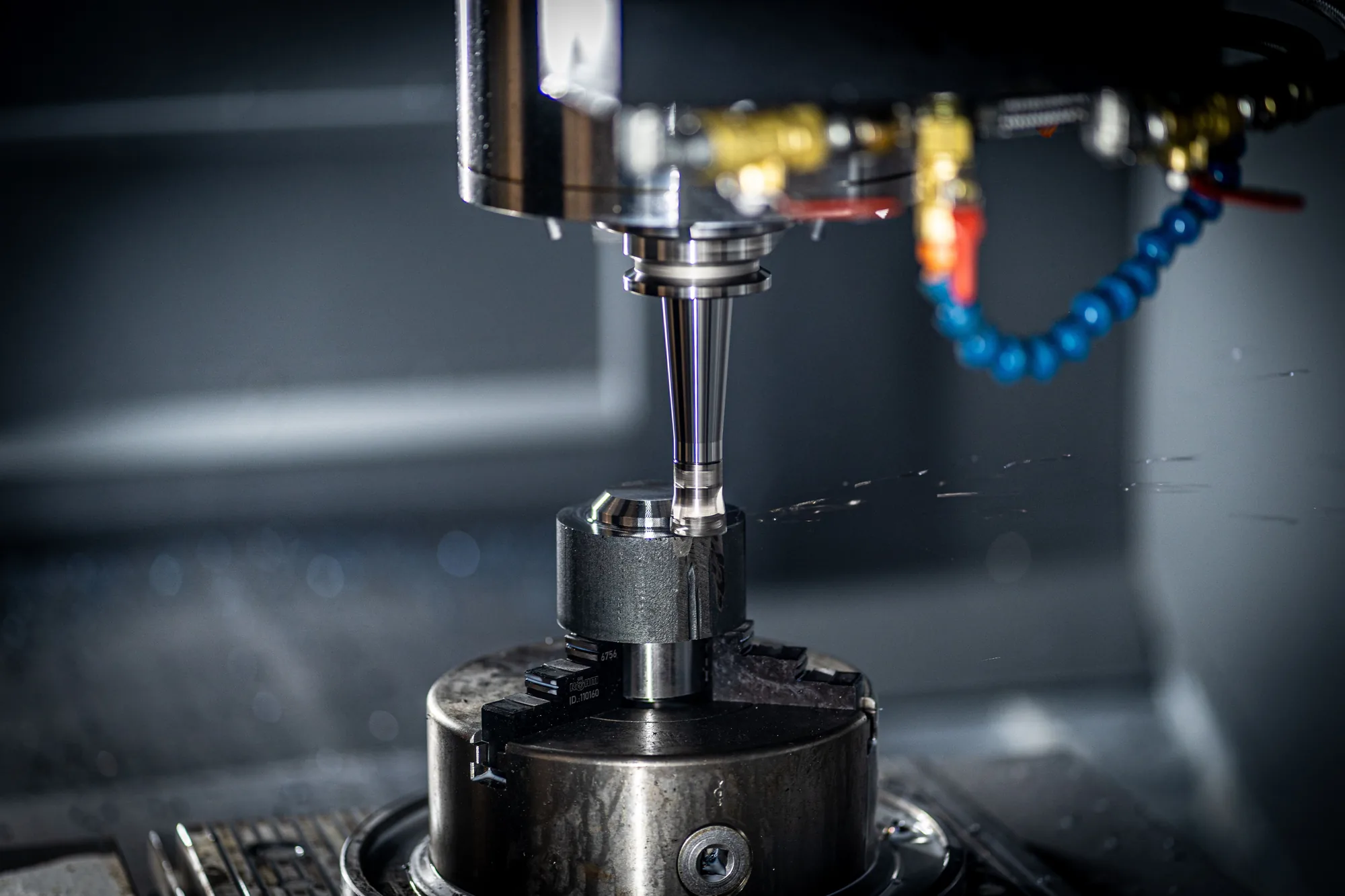
- Tolerance
- ±0.01 mm
- MOQ
- From 50 pcs
- Sample
- 5–10 days
- Production
- 25–35 days
- Materials
- Aluminium · stainless · steel · brass · titanium
What we machine on this process
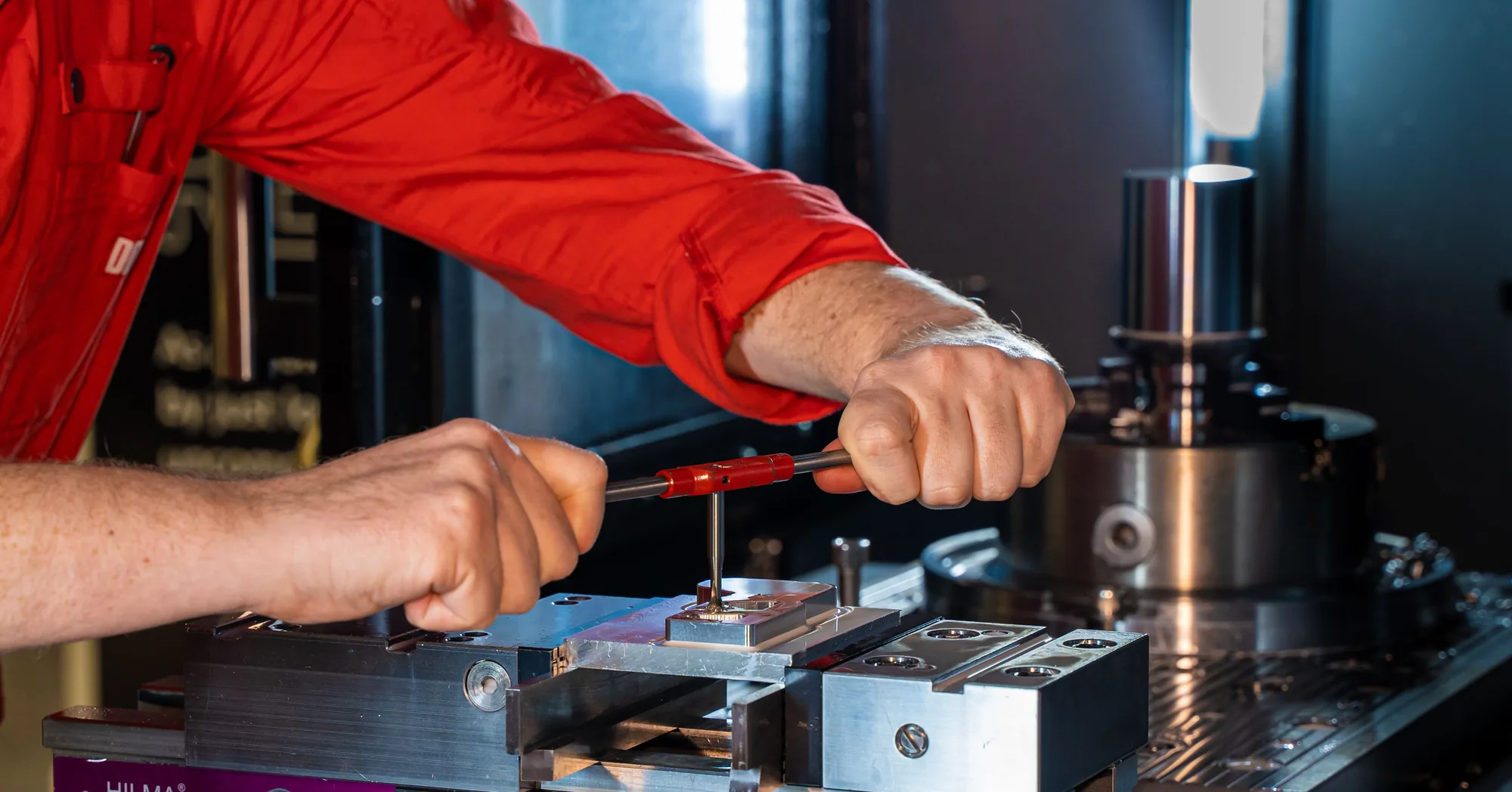
Secondary operations are everything a machined part needs after the main milling or turning pass: deburring and chamfering, tapping and thread milling, countersinking, knurling, marking, assembly, and final cleaning and packing. They turn a raw machined blank into a part that is safe to handle, threads properly, looks finished and arrives ready to install.
Deburring removes the raised edges left by every cut; chamfering breaks sharp corners to a controlled angle. Tapping cuts internal threads, while thread milling uses a rotating tool to cut threads, and thread rolling forms them by pressure for stronger, smoother threads on suitable parts. Countersinking cuts the conical seat for flat-head screws. Knurling adds a grip pattern, and marking adds part numbers or logos. Simple assembly, cleaning and packing finish the part. We run these at our factory in Qidong City, Jiangsu Province, China, and quote within 24 hours with DFM feedback.
Secondary operations follow the main cut, so they are the step that most often turns a rough blank into a finished component. We treat them as part of the machining plan from the start rather than as an afterthought, and we fold them into the quote and schedule so there are no hidden steps or late surprises.
Materials and finishes
Secondary operations run across our full material range — aluminium in 2024, 5052, 6061 and 7075; stainless steel in 301, 303, 304, 316 and 17-4PH; carbon and alloy steel in 1045, 1215, 4140, D2 and O1; plus brass, copper, bronze, titanium and engineering plastics. Grade detail lives on our materials index, then aluminum parts, stainless steel parts, steel parts and brass and copper parts pages. Where a secondary operation is followed by finishing, that finishing runs through our vetted partner network, managed under one quality process — anodizing, plating or coating — so the secondary work and the finish stay on one order.
Size, tolerance and capacity limits
Threads follow your call-out: metric or inch, tapped or thread milled, with depth only as deep as the drawing needs. Knurling patterns and chamfer angles are set per drawing, and general tolerances follow ISO 2768-m with precision features held to ±0.01 mm. Orders start at 50 pieces per style and material, samples run from a single piece, and monthly capacity is over 100,000 parts. Threading, deburring and packing scale with that volume without a separate supplier.
Documents and shipping
Every batch ships with a material certificate (MTR) and pre-shipment photos of your actual parts after the secondary operations are complete. That is the standard document set — the photos show the finished edges, threads and marking before the goods leave, so you can confirm the result before it ships.
Industries we support
Parts with secondary operations feed automotive, medical, electronics, hydraulic and pneumatic, oil and gas and marine assemblies. A threaded, deburred and marked part is usually a component in a larger build, so we confirm the secondary requirements against the drawing early.
Design guidelines for cost and manufacturability
Every secondary operation is an extra step, and each step adds time and cost in a predictable way. Tapping is faster than thread milling but less suited to hard materials and blind holes near the bottom of a bore; thread milling costs a little more but cuts cleaner threads in tougher alloys and avoids the risk of a broken tap in a finished part. Knurling and marking each add a setup, so consolidating them onto one face or one operation keeps cost down.
Deburring and chamfering are the least costly to add because they ride along with the machining, while assembly, cleaning and packing add handling. The lead-time impact is small per step, but it compounds: a part that needs tapping, knurling, marking and packing may add a day or two to a sample. We fold every secondary operation into the quote and the schedule up front, so the 5–10 day sample and 25–35 day production windows already account for them. See our DFM guide and drawing requirements pages for how to specify threads, chamfers and marking cleanly.
Specifications
| Operations | Deburring, chamfering, tapping, thread milling, countersinking, knurling, marking, assembly, cleaning, packing |
|---|---|
| Threading | Tapped, thread milled and thread rolled |
| Chamfering | Angle per drawing call-out |
| Knurling | Straight, diamond and cross patterns |
| Marking | Laser marking per drawing |
| Deburring | All machined edges broken and cleaned |
| General tolerance | ISO 2768-m unless stated on the drawing |
| Precision tolerance | ±0.01 mm on machined features |
| MOQ | From 50 pcs |
| Samples | From 1 piece |
| Sample lead time | 5–10 days |
| Production lead time | 25–35 days |
| Monthly capacity | Over 100,000 parts |
| Documents | MTR + pre-shipment photos |
Frequently asked questions
What are secondary operations?
Everything a machined part needs after the main cutting pass: deburring, chamfering, tapping, thread milling, countersinking, knurling, marking, assembly, and final cleaning and packing.
What threading do you offer?
Tapped internal threads, thread milled threads, and thread rolled threads on suitable parts. Metric or inch, with depth only as deep as the drawing needs.
What is the difference between tapping and thread milling?
Tapping drives a tap in and cuts the thread in one pass, which is fast and economical. Thread milling uses a rotating tool and costs a little more, but it cuts cleaner threads in tougher alloys and avoids a broken tap in a finished part.
Can you deburr and chamfer every part?
Yes. We break and clean all machined edges and cut chamfers to the angle your drawing calls out, so parts are safe to handle and fit mating faces correctly.
Do you offer knurling?
Yes, straight, diamond and cross knurl patterns for grips, knobs and press-fit surfaces. The pattern and pitch are set per drawing.
Do you offer marking or engraving?
Yes, laser marking for part numbers, logos and legends. Send the artwork or the call-out and we mark it after machining and before packing.
Do you offer assembly?
We handle simple sub-assembly and kitting, such as pressing a pin into a knob or pairing fasteners with a housing. Send the assembly drawing and we quote the added step.
Do you clean and pack before shipping?
Yes. Parts are cleaned of coolant and swarf and packed to protect the finished surfaces in transit, with pre-shipment photos so you can confirm the condition before it ships.
How do secondary operations change price?
Each operation is an extra step, so each adds cost. Deburring and chamfering are low-cost because they ride along with machining, while threading, knurling, marking and assembly each add a setup or handling.
How do secondary operations change lead time?
The impact per step is small but it compounds. A part needing tapping, knurling, marking and packing may add a day or two to a sample, and we fold every step into the quoted 5–10 day sample and 25–35 day production windows.
What documents ship with parts that have secondary operations?
A material certificate (MTR) and pre-shipment photos of your actual parts after the secondary work is done. The photos show the finished edges, threads and marking before the goods leave.
Send your drawing — quote in 24 hours
DFM feedback, material certificates and pre-shipment photos come with every order.