screw point types
Fastener Point Types
The point decides what a screw does when it meets the material: form a thread, cut one, drill its own hole, or simply seat against a surface. This reference covers the thread-forming and thread-cutting points, the self-drilling points, and the set screw points used for location and locking.
Upload your drawing (STEP, IGES, DWG, DXF, PDF) — we return DFM feedback and a quote within 24 hours.

- Tolerance
- ±0.01 mm
- MOQ
- From 50 pcs
- Sample
- 5–10 days
- Production
- 25–35 days
- Documents
- MTR + pre-shipment photos
What the point has to do
The point is the first part of the fastener to touch the work, and it sets the whole installation sequence. Before any thread engages, the point must prepare a hole, form or cut a thread in the wall of a hole, or seat and grip against a surface. That one choice drives everything downstream: whether you can skip tapping, whether the screw drills its own pilot hole, how much drive torque is needed, and whether the joint can be taken apart and reused. Choose the wrong point and the screw strips, splits the material, or bottoms out before it seats. The point-types table on this page lists sixteen styles; the sections below group them by what they actually do — form, cut, drill, or seat. The head the screw carries is a separate decision, covered on the fastener head types page.
Thread-forming points: Type A, AB and B
Thread-forming screws cold-work the material into a thread instead of removing it, and are used in ductile materials and thin sheet into a plain punched or drilled pilot hole. Type A has a coarse, widely spaced thread and a pointed, gimlet tip; it was the early sheet-metal standard and is now largely superseded. Type AB combines a finer pitch with a tapered point that starts easily in thin sheet, and is the workhorse of modern sheet-metal assembly. Type B has a blunt tip and is meant for pre-formed or tapped holes where the screw only finishes the thread. Because forming displaces metal rather than cutting it, it leaves a stronger, tighter thread, but it needs material that flows — steel and aluminium sheet, not castings. The pilot-hole size comes from the fastener supplier’s chart, and it is tighter than the drill size for a cutting tap.
Thread-cutting points: Type C, D, F and 17
Thread-cutting screws remove material to make their own thread, so they suit harder or more brittle materials that would crack under a forming screw: castings, brittle moulded parts, and some thin metals. Type C has a blunt, tapered end with one or more cutting edges and is the general-purpose cutter. Type F is similar but carries a machine-screw thread and a blunt point, used where the thread form must match a mating part. Type D is a pointed cutter with a machine-screw thread, suited to harder metals. Type 17 adds a long gash and a sharp cutting point that slices through wood and dense board while reducing splitting. The thread-cutting row of the point-types table shows each tip profile. Cutting screws produce a lower-tension, reusable thread; forming screws produce a stronger, one-way thread.
Self-drilling points: Type 2 and Type 3
Self-drilling screws carry a drill point, so one fastener makes its own pilot hole and then forms or taps the thread in a single pass — no pre-drilling and no separate drill bit. The point is defined by the material it can penetrate, not by its thread form. Type 2 is a single-flute point for thin, light-gauge sheet and lighter sections. Type 3 is a longer, heavier fluted point for thicker metal, up to roughly 6 mm and sometimes more depending on screw size and grade. The drill tip is hardened and is the limiting feature: its rated metal thickness must cover the full stack you are joining. In heavier sections, drilling takes more drive torque and generates heat, so speed control matters. These are the points that collapse “drill, then drive” into a single step.
Set screw points: flat, cone, cup, dog and knurled
Set screws do not pull parts together; they press against a shaft or a mating part to resist rotation or sliding, so the point is the whole working end. Flat has a plain flat end and is used against flat surfaces or where marking the shaft is acceptable. Cone has a sharp point that digs in and is used for permanent location, typically into a pre-drilled seat. Cup is the general-purpose choice: a hollow, slightly recessed end with a sharp rim that bites the shaft. Dog, sometimes half-dog, has a projecting cylindrical tip that fits a drilled hole or keyway and resists high torque without marring the shaft. Knurled cup adds a roughened rim for a firmer bite and is used where vibration is present. The set-screw row of the point-types table shows these profiles; the choice is a trade between holding power and damage to the shaft.
Choosing a point for your material
Start with the material, then the thickness, then whether the joint must come apart. Soft, ductile sheet in steel or aluminium pairs well with a forming point such as Type AB. Hard or brittle material that would crack wants a cutting point such as Type C, D or F, and wood or dense board wants Type 17. If you must skip a separate drilling operation and the stack is thin metal, a self-drilling Type 2 or Type 3 point pays for itself in cycle time — just check the rated metal thickness. For locking a collar to a shaft, the set-screw family is a trade between a firm bite (cup, knurled cup, cone) and a clean shaft (flat, or dog into a keyway). Bring the material, gauge and reuse requirement to us and we will help fix the point and pilot size — see our custom screws page and request a quote when you are ready.
Common point styles for thread-forming and thread-cutting screws
| Point | Description | Typical material |
|---|---|---|
| Type A | Sharp, tapered point; forms a thread by displacing material | Sheet metal, plastics |
| Type AB | Sharp point with a finer thread than Type A | Thin sheet metal |
| Type B | Blunt point; forms a thread in a pre-drilled hole | Sheet metal, thicker sections |
| Type C | Thread-cutting screw with a slot or flutes | Heavy gauge sheet |
| Type D | Thread-cutting screw with a tapered point and flutes | Heavy gauge sheet, castings |
| Type F | Thread-cutting screw with a straight flute | Plastics, die castings |
| Type 17 | Sharp, fluted point that cuts into timber | Hardwood, decking |
| Type 3 self-drilling | Drill-shaped point with cutting wings; drills and taps in one pass | Steel sheet to 0.1 in |
| Type 2 self-drilling | Shorter drill point for thinner sheet | Steel sheet up to 0.1 in |
| Type BSD | Self-drilling point with a bonded sealing washer | Roofing and cladding |
| Flat / chamfered | Flat end with a chamfer; no drilling or cutting action | Set screws, studs |
| Cone | Conical point that bites into the mating part | Set screws against shafts |
| Cup | Concave point with a raised rim; bites hardest | Set screws, most common |
| Dog | Cylindrical extension that enters a drilled hole | Set screws needing a locating pin |
| Half dog | Half-round extension for a shallow locating hole | Set screws, location |
| Long cup / knurled cup | Cup point with a knurled rim for extra grip | Set screws on hardened shafts |
Point geometry determines whether the screw forms or cuts its own thread in the parent material.
Need a size or thread that is not listed? Send the drawingand we will confirm what we can hold.
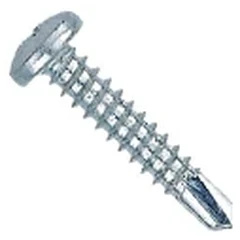
Type 2 and Type 3 drill point
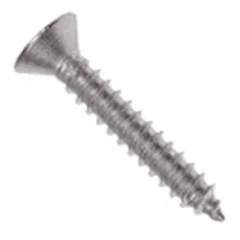
Type A and AB forming point
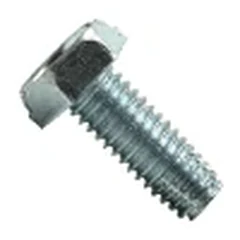
Type C, D and F cutting point
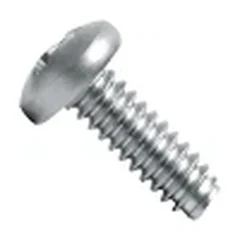
Thread rolling
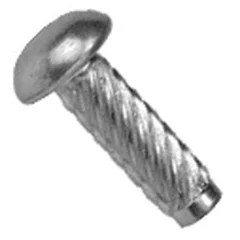
U-drive, hammer set
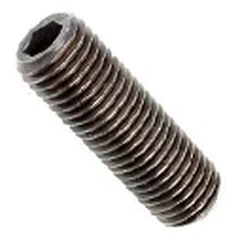
Cup, cone, dog and flat points
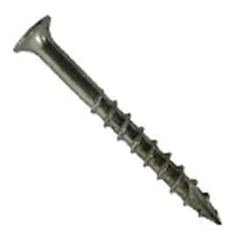
Type 17 timber point
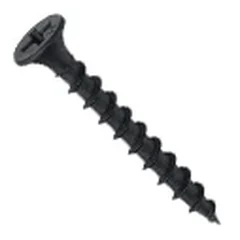
Sharp point, fine thread
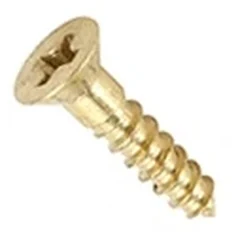
Gimlet point
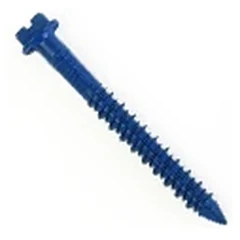
Hardened masonry point
Frequently asked questions
What is the difference between a self-tapping and a self-drilling screw?
A self-tapping screw forms or cuts its own thread in a pre-drilled hole. A self-drilling screw also makes the pilot hole itself with a hardened drill point, so no pre-drilling is needed.
What is a Type AB screw point?
Type AB is a thread-forming point with a finer pitch and tapered tip, designed to start easily in thin sheet metal. It has largely replaced the older Type A for sheet-metal assembly.
What is the difference between Type A and Type B points?
Type A has a coarse thread and a pointed tip for thin material. Type B has a blunt tip and is used in pre-formed or tapped holes where the screw only finishes the thread.
When should I use a thread-cutting screw instead of a thread-forming one?
Use a cutting screw in harder or brittle materials that would crack under forming, such as castings or brittle moulded parts. Cutting removes material, so it makes a lower-tension, reusable thread.
What is a Type 17 screw point?
Type 17 adds a long gash and a sharp cutting point that slices through wood and dense board and reduces splitting. It is common in timber and engineered-wood fastening.
What is the difference between Type 2 and Type 3 self-drilling points?
Type 2 is a single-flute point for light-gauge sheet. Type 3 is a longer, heavier fluted point for thicker metal. The rated metal thickness must cover the full stack.
What is a Type C thread-cutting point?
Type C has a blunt, tapered end with one or more cutting edges and is the general-purpose thread-cutting point for harder metals and castings.
What is the most common set screw point?
Cup. Its hollow end with a sharp rim bites the shaft firmly, which is why it is the general-purpose choice for location and locking.
What is a dog point set screw used for?
A dog point has a projecting cylindrical tip that fits a drilled hole or keyway. It resists high torque without marring the shaft surface.
What is the difference between a cup and a knurled cup point?
A knurled cup adds a roughened rim for a firmer bite. It is used where vibration is present and the screw must hold its position.
How do I choose the pilot-hole size for a forming or cutting screw?
Use the fastener supplier's chart for that point type and material gauge. Forming-screw pilot holes are tighter than the drill size for a cutting tap.
Can you produce screws with a specific point type?
Yes. Specify the point type and thread on your drawing and we will produce to it, with a material certificate (MTR) and pre-shipment photos with each lot.
Send your drawing — quote in 24 hours
DFM feedback, material certificates and pre-shipment photos come with every order.