marine machined parts
Marine & Boat Machined Parts — Corrosion Resistant
Marine machined parts, machined to your drawings with the documentation this industry expects.
Upload your drawing (STEP, IGES, DWG, DXF, PDF) — we return DFM feedback and a quote within 24 hours.
- Tolerance
- ±0.01 mm
- MOQ
- From 50 pcs
- Sample
- 5–10 days
- Production
- 25–35 days
- Documents
- MTR + pre-shipment photos
What this industry requires
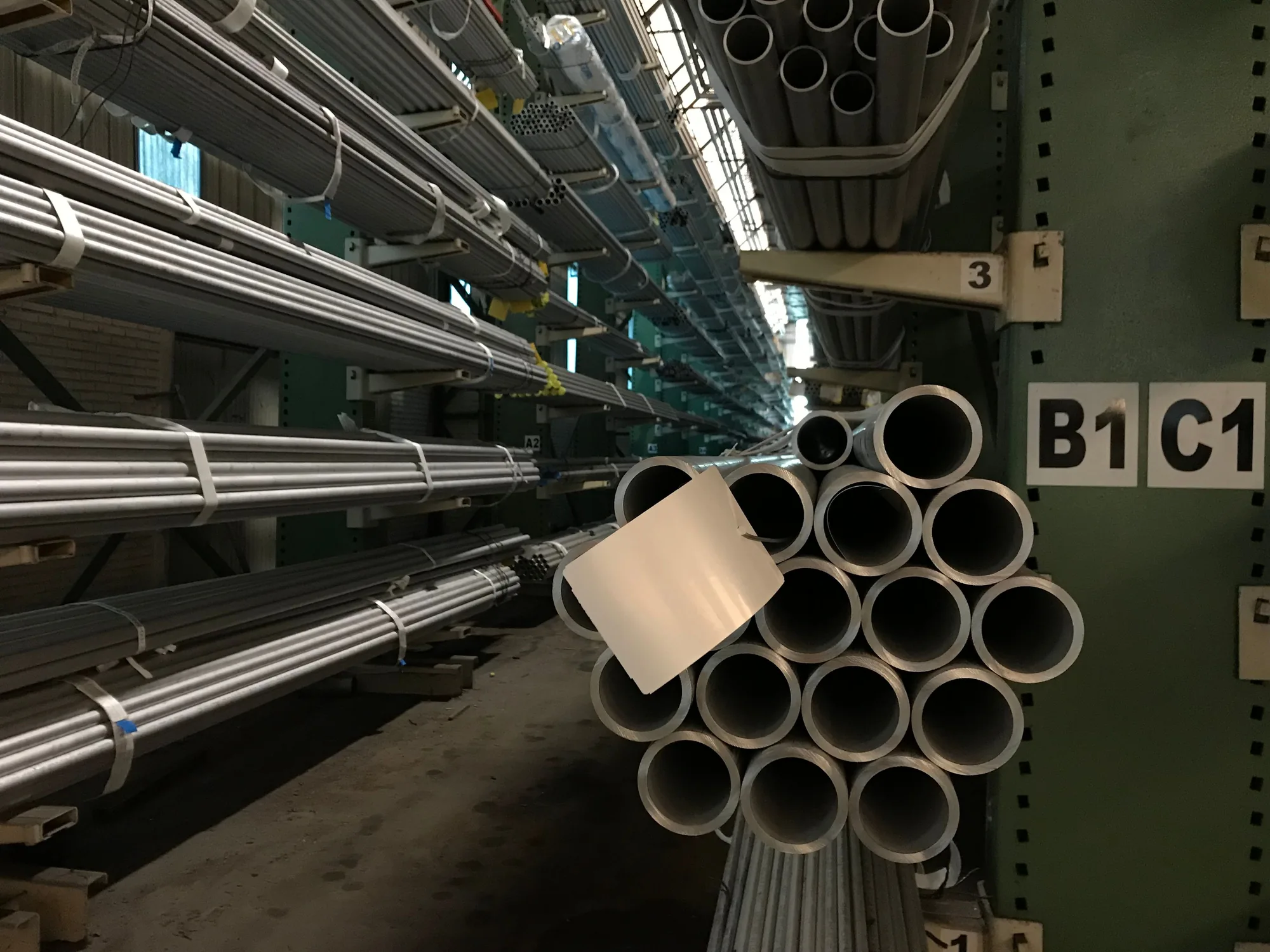
Marine and offshore hardware lives in salt water, spray and constant moisture, so the first question a buyer asks is material, not price. A deck cleat, through-hull fitting or shaft coupling that corrodes early can mean a haul-out, a failed seal or a part that cannot be removed without cutting it off. That is why marine drawings usually name the grade — 316L or a bronze-family copper alloy — and why we machine to that grade rather than substituting.
We machine marine parts to a general tolerance of ISO 2768-m and hold ±0.01 mm on the precision features the drawing calls out, such as bearing fits, sealing faces, threads and concentric bores. Threads in particular need to stay clean and within class so fittings seal and fasteners torque properly in service. Quotes come back within 24 hours with DFM feedback, and we flag the features that drive cost — deep threads, thin walls and long internal bores — so the quote reflects the drawing rather than a guess.
Parts we machine for this industry
The parts we machine for this industry split into propulsion, deck and plumbing work. Shafting and couplings carry load and need concentric features machined in one setup so the shaft line runs true. Deck hardware — cleats, bollards, hinges, brackets and mounts — is machined for strength and a clean, snag-free profile. Through-hull fittings and valve bodies need accurate threads and flat sealing faces that hold against the hull. Dock and mooring hardware such as cleats, plates and brackets is machined for long-term exposure to seawater and repeated loading. Where a part carries both turned and milled features, such as a coupling with a keyway or a cleat with a profiled base, we keep the work in one setup.
Round parts route through CNC turning and prismatic parts through CNC milling, with composite work kept in one setup. For related part families see custom shafts, flanges and couplings, custom brackets and the industries we serve.
Materials and standards commonly used
Stainless 316 and 316L are the workhorses for salt water because their molybdenum content resists the chloride pitting that attacks ordinary grades. Stainless 304 and 304L are fine for fresh water and interior work, but in stagnant salt water they can pit and crevice-corrode, especially on fasteners and sheltered hardware — which is why 304 is often the wrong choice once a part sits wet and out of the flow. We machine 301, 303, 304, 304L, 316, 316L, 410, 416 and 17-4PH, we machine the grade the drawing names, and the materials page sets out what each one suits.
For hardware where the drawing calls for a copper alloy, the choice is usually between a bronze-family alloy and brass. We machine brass and copper from our confirmed list, and we review any bronze-family grade named on the drawing so the quote reflects the exact material. Galvanic corrosion is handled at a general level: we follow the material pairing the drawing states so dissimilar metals are not placed in direct seawater contact without the intended isolation, and we keep threads and contact faces clean. Surface treatment — passivation, electropolishing and polishing — runs through our vetted partner network under one quality process. See materials and surface finishes for the confirmed options. The exact grade is named on the material certificate (MTR) that ships with the order, so the alloy reaching the boat is the one the drawing calls for.
What ships with your order
Every order ships with a material certificate (MTR) for the raw material and pre-shipment photos of the finished parts, so the grade can be confirmed before the parts go on board. Ordering starts from 50 pieces per style and material, with samples from one piece in 5–10 days and production in 25–35 days after sample approval. Monthly capacity is over 100,000 parts with a milling envelope of 800 × 500 mm. Samples can be machined from one piece so you can trial a fitting or fastener on board before committing to a batch. Send your drawing through the request a quote form or WhatsApp and we return DFM feedback within 24 hours.
Marine parts are a materials problem before they are a machining problem: a 316 or bronze part that machines well and survives salt water beats a tighter part in the wrong grade. The stainless route is covered under stainless steel parts, and the fasteners that usually accompany a marine assembly under custom screws.
Specifications
| Precision tolerance | ±0.01 mm on called-out features |
|---|---|
| General tolerance | ISO 2768-m unless stated on the drawing |
| MOQ | From 50 pieces; samples from 1 piece |
| Sample lead time | 5–10 days |
| Production lead time | 25–35 days after sample approval |
| Quote | Within 24 hours with DFM feedback |
| Milling envelope | 800 × 500 mm |
| Monthly capacity | Over 100,000 parts |
| Stainless steel | 301, 303, 304, 304L, 316, 316L, 410, 416, 17-4PH |
| Copper alloys | Brass, bronze, copper |
| Aluminium | 2024 / 5052 / 6061 / 7075 |
| Titanium | Grade per drawing |
| Carbon & alloy steel | 1045 / 1215 / 4130 / 4140 |
| Surface treatment | Passivation, electropolishing, polishing — via vetted partner network |
| Documents | Material certificate (MTR) + pre-shipment photos |
Frequently asked questions
Why is 316L usually the right stainless for salt water?
316L contains molybdenum, which resists the chloride pitting that salt water causes. 304 lacks molybdenum and can pit and crevice-corrode on hardware that stays wet or is sheltered from free flow.
Why is 304 often the wrong choice on a boat?
304 resists fresh water well but not stagnant salt water. On deck hardware, fasteners and through-hull fittings it can develop pitting and crevice corrosion, so buyers usually move to 316L or a bronze-family alloy.
Do you machine shafting and couplings?
Yes. We machine marine shafts and couplings to your drawing, holding the concentric features that keep a shaft line running true.
What deck hardware do you machine?
Cleats, bollards, hinges, brackets and other deck fittings, in 316L or a copper-alloy grade per your drawing.
Do you machine through-hull fittings and valve bodies?
Yes. We machine through-hull fittings and valve bodies from corrosion-resistant materials to the drawing's thread and sealing-face requirements.
Do you machine dock and mooring hardware?
Yes. Mooring cleats, brackets, plates and related hardware, with the material grade chosen for long-term seawater exposure.
How do you handle galvanic corrosion concerns?
At a general level, we follow the material pairing stated on the drawing so dissimilar metals are not put in direct seawater contact without the intended isolation, and we machine the grade the drawing specifies.
What surface finishes do you offer for marine parts?
Passivation, electropolishing and polishing for stainless, plus other finishes, through our vetted partner network under one quality process.
What is the MOQ for marine parts?
Production starts from 50 pieces per style and material; samples are available from one piece.
How fast are samples and production?
Samples typically ship in 5–10 days and production in 25–35 days after sample approval.
What documents ship with the order?
Every order ships with a material certificate (MTR) and pre-shipment photos of the finished parts.
Where is your factory and how do I get a quote?
Our factory is in Qidong City, Jiangsu Province, China. Send your drawing through the request a quote form or WhatsApp for DFM feedback and a quote within 24 hours.
Send your drawing — quote in 24 hours
DFM feedback, material certificates and pre-shipment photos come with every order.