screw drive types
Screw Drive Types
A reference to the drive recesses we produce: slotted, Phillips, Pozidriv, square, hex socket, Torx and Torx Plus, 12-point, spline, one-way and the security variants. Each entry explains what the drive does well and where it fails, which is usually the question behind the choice.
Upload your drawing (STEP, IGES, DWG, DXF, PDF) — we return DFM feedback and a quote within 24 hours.
- Tolerance
- ±0.01 mm
- MOQ
- From 50 pcs
- Sample
- 5–10 days
- Production
- 25–35 days
- Documents
- MTR + pre-shipment photos
What a drive has to deliver
The drive recess is an assembly-line variable before it is anything else. On a production line the drive determines which bit the operator loads, how fast the tool can run, how much torque the joint sees, and how often the bit is replaced. Choosing a drive because you like the look of it is a mistake — the drive has to be chosen against the torque, access, cycle rate and service life of the joint.
The table below lists the fifteen drive styles we most often produce. The useful distinction is between two jobs: a drive that transfers torque efficiently and repeats thousands of times, and one that is cheap to produce and forgiving on a line where conditions are imperfect. Those two jobs rarely point to the same recess.
Cam-out and why it matters in production
Cam-out is when the driver bit climbs out of the recess under load instead of turning the screw. It is usually read as a defect — a rounded recess, a stripped bit, a scratched part — but the cross-head screw was actually designed to do it, and knowing why changes how you read a specification.
Phillips was designed so that, past a set torque, the bit would deliberately ride up out of the recess rather than over-torque the screw. In the era of the torque-limiting screwdriver this made sense: the recess itself was the limiter. Today, with powered tools and preset torque, cam-out is mostly unwanted — it wears bits, rounds heads and slows the line — but a self-limiting recess still helps when a screw must not be over-driven into a fragile assembly. Match the drive to the tooling: a recess that cams out at the wrong torque is the wrong recess for that line.
Cross recesses: Phillips, Pozidriv and JIS
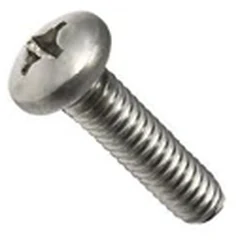
The three cross recesses look almost identical and are not interchangeable. Phillips has a tapered centre and angled flanks that intentionally push the bit out under load. Pozidriv adds a second, smaller cross at 45°, and — the detail that causes most of the damage — its flanks are parallel, not tapered. A Phillips bit in a Pozidriv screw engages poorly and cams out; a Pozidriv bit in a Phillips screw sits too deep and rounds the recess. They must not be mixed up, and a drawing callout has to name the exact recess or the shop will guess.
JIS (Japanese Industrial Standard) cross is the third one that gets confused. It looks close to Phillips, but the recess is shallower and does not cam out the way a Phillips driver does, which matters on older Japanese automotive and electrical products. Using a Phillips bit on a JIS screw is the classic way to strip it. Name the recess precisely on the drawing, because the three are produced with different punches and cannot be corrected after the fact. See custom screws for a specific cross recess.
Internal drives: hex socket and Torx
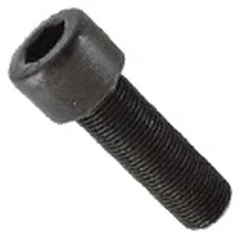
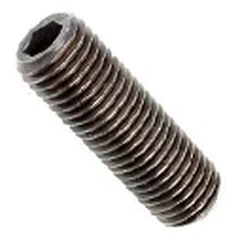
Hex socket and Torx are the two internal drives for high torque where the tool engages from above. A hex socket (Allen) drive is simple and cheap to produce and self-centring enough for hand work, but its six corners round quickly when the bit is worn or the angle is off. Torx and Torx Plus are built for higher torque: the star geometry spreads the load across six lobes with near-vertical drive faces, so the bit stays engaged where a hex would cam out.
That difference drives the specification. On a socket head cap screw tightened once with a calibrated tool, hex socket is fine; on a line where the same joint is driven thousands of times a day, Torx pays for itself in bit life and fewer stripped heads. Twelve-point and spline extend the same logic to external engagement: the twelve-point internal wrenching head is standard in aerospace and high-performance automotive work because a thin-walled socket reaches a tight counterbore at high torque, and spline gives similar capacity with less chance of rounding.
Tamper-resistant drives
Tamper-resistant drives add a step to removal rather than preventing it. A pin-in-hex, pin-in-Torx or one-way (clutch) head installs with standard or near-standard tooling but needs a matching security bit — or destructive force — to remove. The honest description is that these are deterrents, not locks: they stop casual or opportunistic disassembly, and they are common where a manufacturer wants to keep end users out of an enclosure.
The limits matter when you specify them. Most security recesses are not meaningfully stronger than their standard equivalent, and a determined user with the matching bit will remove them anyway. Choose a security recess only where the deterrent value is real and the service environment tolerates the harder rework of a legitimate repair. We produce the common security forms and can machine a proprietary recess to drawing where a standard security bit is not enough.
Drives we can produce and how the recess is made
How a recess is produced determines both its cost and its minimum quantity. The recess is created one of three ways: formed into the head during cold heading or forging, broached, or machined. A formed recess is the lowest-cost route at volume because the punch does the work in the same stroke that makes the head, but it commits you to a tool — fine at tens of thousands of pieces, uneconomical for a short run. Broaching cuts the recess after the head is formed and suits recurring mid-volume runs. Machining the recess on a mill is the flexible route: it makes small quantities and one-off sizes practical, because no dedicated punch or broach is needed.
That flexibility is the point for a buyer working from a drawing. When the catalogue recess does not match your tooling or torque target, we machine it to your specification — samples from one piece, production from 50 pieces, quotes within 24 hours with DFM feedback on the geometry. The recess dimension is a tolerance-controlled feature, held to ±0.01 mm where it locates the driver. Send the drawing through request a quote, and pair this page with the fastener head types reference when choosing the head and drive together.
Common drive styles
| Drive | Description | Notes |
|---|---|---|
| Slotted | Single straight recess | Oldest form; driver slips easily |
| Phillips | Cross recess with tapered walls | Cams out at high torque by design |
| Pozidriv | Cross recess with additional radial marks | Less cam-out than Phillips |
| Square / Robertson | Square recess | Good torque transfer, can be driven one-handed |
| Hex socket | Internal hexagon | High torque, common on machine fasteners |
| Hex key / Allen | Hexagon socket driven with an L or T key | Same recess as hex socket, named by the tool |
| Torx / hexalobular | Six-lobed star recess | High torque with low cam-out |
| Torx Plus | Improved six-lobed profile | Higher torque capacity than Torx |
| External hex | Hexagon on the outside of the head | Wrench or socket driven |
| 12-point | Twelve-point external head | Engages on corners and flats |
| Spline | Multiple rounded splines | High torque aerospace and automotive use |
| One-way | Recess drives in one direction only | Tamper resistant |
| Security / pin-in | Standard recess with a centre pin | Tamper resistant variants of hex and Torx |
| Tri-wing / spanner | Three-wing or two-hole recess | Tamper resistant |
| Thumb / knurled | No recess; knurled for finger grip | Tool-free adjustment |
Drive recess geometry and depth follow the drawing unless a standard recess is specified.
Need a size or thread that is not listed? Send the drawingand we will confirm what we can hold.
Hex socket
Hex socket, high torque
Slotted and cross recess
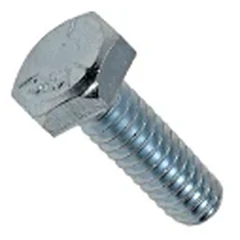
External hex
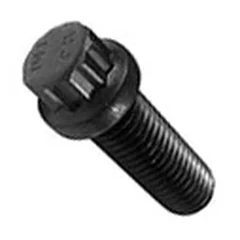
Twelve-point
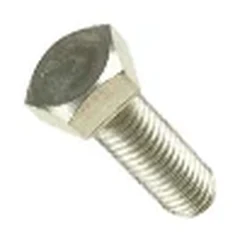
Pentagon, tamper resistant
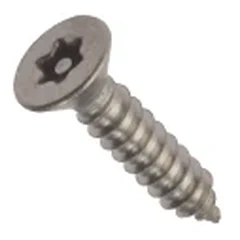
Security drives
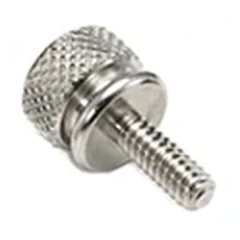
Knurled, tool-free
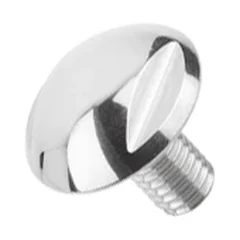
Ball head drive
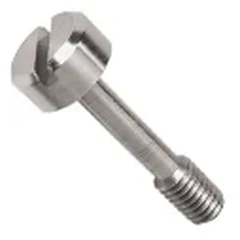
Captive panel screw
Frequently asked questions
What is the difference between Phillips and Pozidriv?
Phillips has a tapered centre and angled flanks designed to cam the bit out under load; Pozidriv has parallel flanks plus a second cross at 45°. The two are not interchangeable and must not be mixed.
Why does a Phillips screw cam out?
The Phillips recess was designed to cam the bit out past a set torque, acting as a torque limiter before powered tools with preset torque existed. Today cam-out is usually unwanted because it wears bits and rounds heads.
What is a JIS cross recess?
JIS is a Japanese cross recess that looks like Phillips but is shallower and does not cam out the same way. A Phillips bit on a JIS screw strips it, so the recess must be named precisely.
When should I use Torx instead of hex socket?
Use Torx when torque is high and the joint is driven repeatedly. The star lobes spread load across six near-vertical faces and resist cam-out, where a hex socket would round under a worn or off-angle bit.
What is a 12-point drive?
A 12-point internal wrenching head lets a thin-walled socket reach into a tight counterbore while still carrying high torque. It is common in aerospace and high-performance automotive work.
Are tamper-resistant screws really secure?
They are deterrents, not locks. A pin-in-hex, pin-in-Torx or one-way head stops casual removal but can be defeated with the matching security bit, which is widely available.
How is a drive recess made?
The recess is formed into the head during cold heading or forging, broached, or machined. Forming is least expensive at volume, broaching suits recurring mid-volume runs, and machining suits small quantities and one-off sizes.
Which production method is best for a small quantity?
For small quantities, machining the recess is the flexible route because no dedicated punch or broach is needed. It makes one-off sizes and short runs practical.
What is the minimum order for a custom drive recess?
Samples from one piece and production from 50 pieces, with quotes within 24 hours including DFM feedback on the recess geometry.
What tolerances can you hold on a recess?
The recess dimension is held to ±0.01 mm where it locates the driver, with ISO 2768-m as the general tolerance elsewhere.
What materials do you machine these drives in?
Aluminium 2024/5052/6061/7075, stainless steel 301/303/304/304L/316/316L/410/416/17-4PH, carbon steel 1045/1215/12L14, alloy steel 4130/4140, brass, bronze, copper and titanium.
How do I choose between a formed and a machined recess?
Choose formed at high volume where the tooling cost is amortised, and machined for short runs and custom sizes. We advise which route fits your quantity in the DFM feedback.
Can you machine a proprietary recess to my drawing?
Yes. A proprietary or low-volume recess can be machined to your drawing where a standard security bit is not enough.
Send your drawing — quote in 24 hours
DFM feedback, material certificates and pre-shipment photos come with every order.