ansi and astm parts
ANSI & ASTM Standard Parts — A307, A325, A193
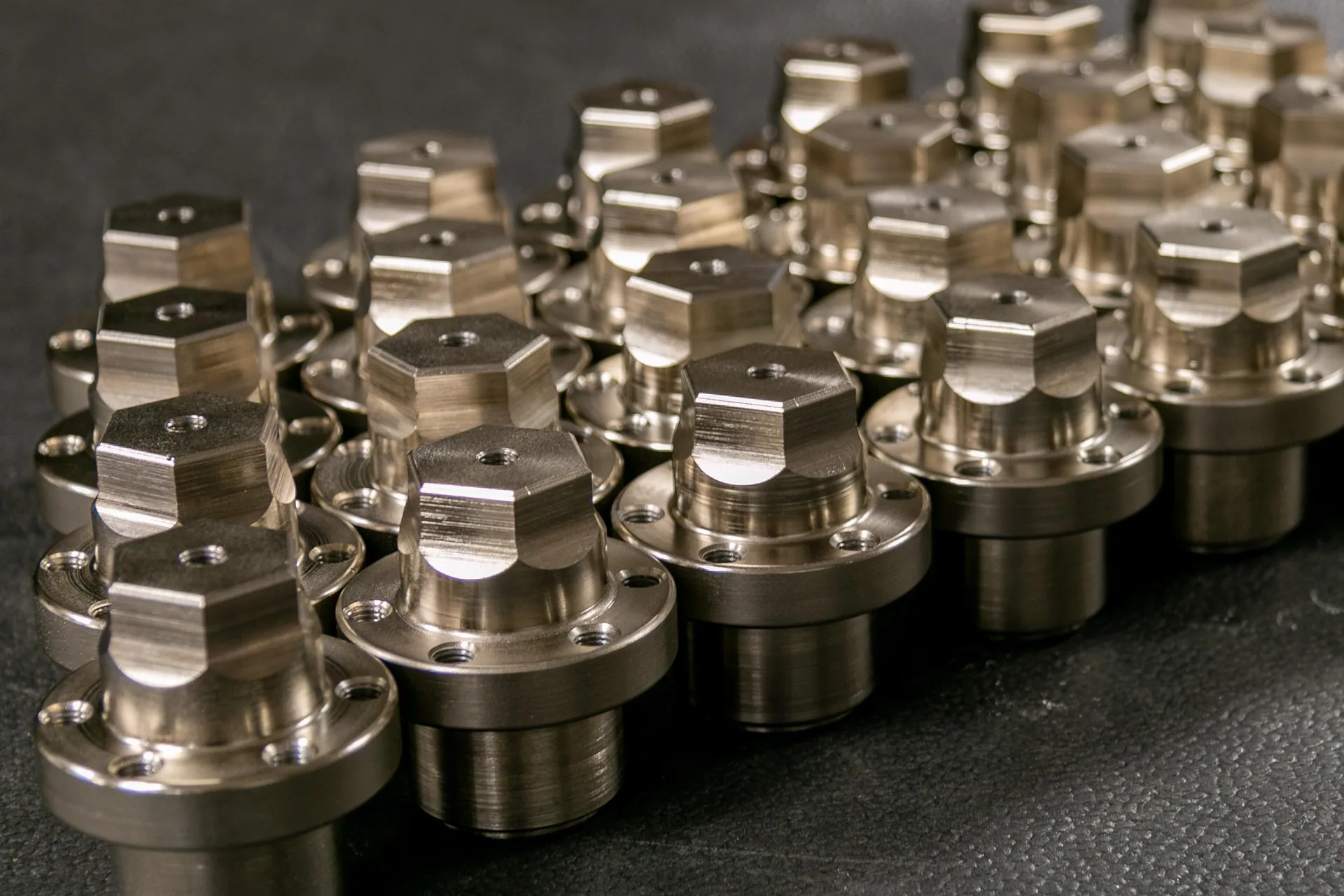
Ansi and astm parts produced to spec, with the thread, grade and finish confirmed on the drawing before production.
Upload your drawing (STEP, IGES, DWG, DXF, PDF) — we return DFM feedback and a quote within 24 hours.
- Tolerance
- ±0.01 mm
- MOQ
- From 50 pcs
- Sample
- 5–10 days
- Production
- 25–35 days
- Materials
- Aluminium · stainless · steel · brass · titanium
Standard overview
The American fastener system runs on two layers that are easy to confuse because both appear on the same drawing. The ASME B18 series defines dimensions and geometry: head shape, across-flats, thread, length tolerance. The ASTM lettered specifications define material, strength and marking: what steel, how strong, what to stamp on the head. Neither does the other’s job. A drawing that says only “A325 bolt” names the material and strength but not the geometry; one that says only “B18.2.1 bolt” names the geometry but not the strength. A real part needs one of each, and mixing the two layers is the fastest route to a wrong part — a supplier can meet the dimensional standard in the wrong material, or the material standard in the wrong geometry, and still point at a compliant callout.
A complete callout pairs them. The pattern in the table note — ASME B18.2.1 dimensions in ASTM A325 material — is how every structural bolt we make is specified: B18.2.1 fixes the hex head and shank geometry, A325 fixes the quenched-and-tempered material, the 120 ksi tensile requirement (105 ksi over 1 in), and the head marking. The thread is a third, usually implied, document: ASME B1.1 for UNC, UNF and UNEF. The dimensional standard and the material standard are orthogonal — change the material and the dimensions stay put, change the dimensions and the strength is untouched.
Sizes, threads and grades we cover
The table on this page lists which ASME or ASTM document covers which part, 32 rows split into two halves: the B18 rows describe parts, the ASTM rows describe what they are made of and how strong they are.
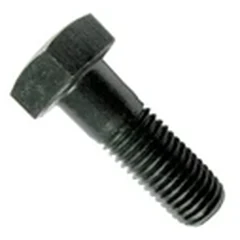
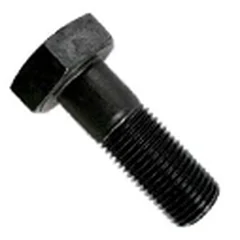
The structural bolting family is where most quoting confusion lives, because it has just been reorganised. For decades a structural bolt was either an A325 — quenched and tempered, 120 ksi up to 1 in and 105 ksi above — or an A490, an alloy-steel bolt at 150 ksi. The two looked alike, were not interchangeable, and the head marking carried the difference. Both, together with the tension-control grades, have now been folded into a single document, ASTM F3125, which re-labels them as grades of one specification rather than separate standards. Older drawings still say A325 or A490, and we quote to the drawing as written; a new project should call out F3125 and name the grade.
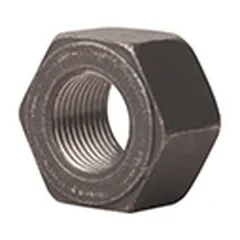
Outside structural work we cover the full ladder: A307 general-purpose carbon bolts at 60 ksi, A354 quenched-and-tempered alloy bolts in Grades BC and BD, A449 general quenched-and-tempered bolts, A193 alloy and stainless bolting for high-temperature service with its matching A194 nuts, and SAE J429 for the Grade 2, 5 and 8 hex cap screws used across machinery. Threads follow ASME B1.1 for UNC, UNF and UNEF, and the inch fasteners page carries the threads-per-inch tables.
Materials and finishes
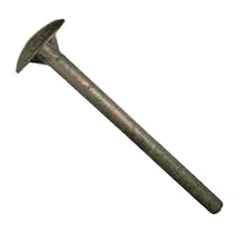
Two families sit at the edge of what people call fasteners and get cited by ASTM alone. Anchor bolts are specified by ASTM F1554 in three yield grades — 36, 55 and 105 ksi — for straight, bent (hooked) and headed configurations; the grade is the material, and the geometry is usually drawn rather than standardised. Driven fasteners — nails, spikes and staples — fall under ASTM F1667, where the specification covers the shank, point and head that are driven into the substrate rather than threaded into it.
Material follows the specification’s grade. The common choices in our workflow are aluminium 2024, 5052, 6061 or 7075; stainless 301, 303, 304, 304L, 316, 316L or 17-4PH; carbon steel 1045 or 1215; alloy and tool steel 4140, D2 or O1; and brass, bronze, copper or titanium, with finishes — zinc or nickel plating, black oxide, passivation, anodising — applied through our vetted partner network under one quality process. The materials and surface finishes pages list the options, and custom bolts and custom nuts show the same two-layer callout applied to machined parts.
Ordering notes
Quoting a part that cites two standards at once is mostly a matter of collecting both halves and checking that they agree. We need the dimensional standard (the ASME B18 number that fixes geometry), the material standard (the ASTM letter that fixes strength and marking), the diameter and length, the thread series and pitch, any coating, and the quantity. A callout such as “ASME B18.2.1, ASTM A325, 3/4-10 × 2-1/2, hot-dip galvanised” is complete enough to quote on the spot; a callout that names only one of the two leaves a question we ask before we price.
Send the drawing or the callout line through the quote page and we return a price with DFM feedback within 24 hours. Where an older designation has been folded into F3125 or replaced, we flag the mapping and quote to the current document unless you direct otherwise.
Tolerances default to ISO 2768-m general tolerance and ±0.01 mm where the drawing demands it — the tolerances page explains each level — and we produce from 1 piece for samples and from 50 pieces for production runs, shipping with a material certificate (MTR) and pre-shipment photos.
Which ASME or ASTM standard covers which part
| Standard | Covers |
|---|---|
| ASME B1.1 | Unified inch screw threads (UNC, UNF, UNEF, UN) |
| ASME B1.13M | Metric screw threads (M profile) |
| ASME B18.2.1 | Square and hex bolts and screws |
| ASME B18.2.2 | Square and hex nuts |
| ASME B18.2.6 | Fasteners for use in structural applications |
| ASME B18.3 | Socket head cap screws, set screws and keys |
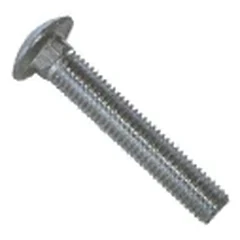
| ASME B18.5 | Round head, square neck and similar bolts |
| ASME B18.6.1 | Wood screws |
| ASME B18.6.3 | Machine screws, tapping screws and metallic drive screws |
| ASME B18.6.4 | Thread forming and thread cutting screws |
| ASME B18.8.1 | Clevis pins and cotter pins |
| ASME B18.8.2 | Taper pins, dowel pins, straight pins and spring pins |
| ASME B18.21.1 | Lock washers |
| ASME B18.22.1 | Plain washers |
| ASME B18.31.2 | Threaded studs |
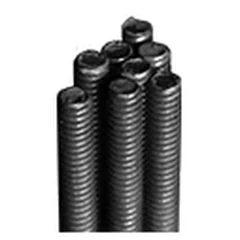
| ASME B18.31.3 | Threaded rods |
| ASTM A307 | Carbon steel bolts and studs, 60 ksi |
| ASTM A325 / F3125 | Structural bolts, 120/105 ksi, quenched and tempered |
| ASTM A354 | Quenched and tempered alloy steel bolts, Grade BC and BD |
| ASTM A449 | Quenched and tempered steel bolts and studs |
| ASTM A490 / F3125 | Structural bolts, 150 ksi, alloy steel |
| ASTM A193 | Alloy and stainless steel bolting for high temperature service |
| ASTM A194 | Carbon, alloy and stainless nuts for A193 bolting |
| ASTM A563 | Carbon and alloy steel nuts |
| ASTM F593 | Stainless steel bolts, hex cap screws and studs |
| ASTM F594 | Stainless steel nuts |
| ASTM F1554 | Anchor bolts, Grades 36, 55 and 105 |
| ASTM F1667 | Driven fasteners: nails, spikes and staples |
| ASTM C1002 | Steel drill screws and drywall screws |
| SAE J429 | Mechanical and material requirements for externally threaded fasteners |
| SAE J78 | Steel self-drilling tapping screws |
| SAE J81 | Thread rolling screws |
ASME B18 series standards define dimensions and geometry. ASTM lettered specifications define material, strength and marking. A part normally cites one of each, for example ASME B18.2.1 dimensions in ASTM A325 material.
Need a size or thread that is not listed? Send the drawingand we will confirm what we can hold.
Frequently asked questions
What is the difference between an ASME B18 standard and an ASTM specification?
ASME B18 defines dimensions and geometry — head shape, across-flats, thread, length tolerance — while ASTM lettered specifications define material, strength and marking. A part normally cites one of each.
How do I read a combined ASME and ASTM callout?
The ASME B18 number fixes the geometry and the ASTM letter fixes material and strength. For example, ASME B18.2.1 dimensions in ASTM A325 material describes the same structural bolt twice.
Is ASTM A325 still a current specification?
A325 has been consolidated into ASTM F3125, which re-labels it as a grade of one document. Older drawings still say A325, and we quote to the drawing as written.
What is the difference between A325 and A490?
Both are structural bolts, but A325 is quenched and tempered at 120 ksi up to 1 in and 105 ksi above, while A490 is an alloy-steel bolt at 150 ksi. They are not interchangeable.
What is ASTM F3125?
F3125 consolidates the structural bolting grades — including A325, A490 and the tension-control grades — into a single specification where each former standard becomes a named grade.
What does ASTM A307 cover?
A307 covers general-purpose carbon steel bolts and studs at 60 ksi, in Grades A and B, where high strength is not required.
What is ASTM A193 used for?
A193 covers alloy and stainless steel bolting for high-temperature service, normally paired with ASTM A194 nuts of a matching grade.
What does ASTM F1554 specify?
F1554 specifies anchor bolts in three yield grades — 36, 55 and 105 ksi — for straight, bent and headed configurations, where the geometry is usually drawn.
What is ASTM F1667?
F1667 covers driven fasteners — nails, spikes and staples — specifying the shank, point and head that are driven into the substrate rather than threaded into it.
Why do I need both a dimensional and a material standard?
Because neither covers the other's ground. A dimensional standard alone does not set strength, and a material standard alone does not set geometry; a drawing that names only one leaves the part under-specified.
What do you need to quote a part that cites two standards at once?
The ASME dimensional standard, the ASTM material standard, diameter and length, thread series and pitch, coating and quantity. We return a price with DFM feedback within 24 hours.
Which materials do you make ANSI and ASTM parts from?
Aluminium 2024, 5052, 6061 or 7075; stainless 301, 303, 304, 316 or 17-4PH; carbon steel 1045 or 1215; alloy steel 4140; brass, copper, bronze and titanium, with finishes through our vetted partner network.
Send your drawing — quote in 24 hours
DFM feedback, material certificates and pre-shipment photos come with every order.