electronics hardware
Precision Hardware for Electronics
Electronics hardware, machined to your drawings with the documentation this industry expects.
Upload your drawing (STEP, IGES, DWG, DXF, PDF) — we return DFM feedback and a quote within 24 hours.
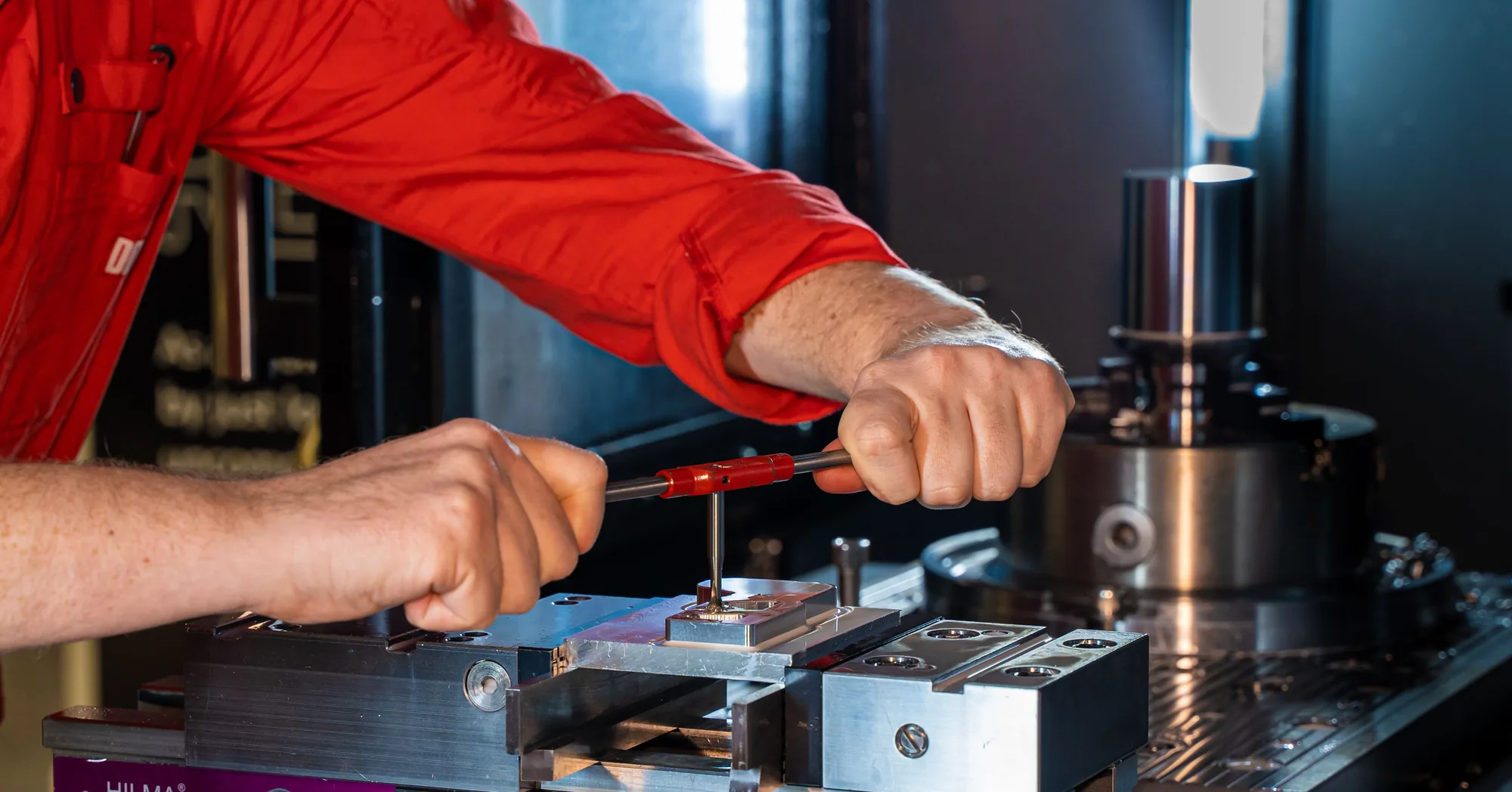
- Tolerance
- ±0.01 mm
- MOQ
- From 50 pcs
- Sample
- 5–10 days
- Production
- 25–35 days
- Documents
- MTR + pre-shipment photos
What this industry requires
Electronics hardware has to fit, conduct or isolate, and stay stable across the life of the device. The parts are usually small and precise: a standoff must sit flat against a board, a connector shell must mate without play, and a heatsink pocket must match the component it cools. We hold ±0.01 mm on precision features and work to ISO 2768-m as the general tolerance unless the drawing states another block.
Material choice is driven by three practical questions: does the part need to carry current or ground a shield, does it need corrosion resistance in the finished assembly, and how much weight can the design accept. Aluminium is the usual choice for enclosures, card guides and heatsinks where low weight and good machinability matter. Brass and copper appear where grounding or current-carrying matters, and stainless steel where strength and corrosion resistance matter more than conductivity.
Thread and finish details usually decide whether a batch is accepted on the assembly line. Standoffs need clean internal and external threads with no burr at the entry, captive screws need a controlled undercut or shoulder, and connector shells need smooth mating bores. We machine these features to the drawing and confirm thread callouts, plating and any masking requirement during DFM feedback. Because a wrong grade or a burr on a contact can stop a whole build, buyers also want the material and the finished parts documented before dispatch, which we cover with the documents noted below.
Parts we machine for this industry
Typical orders cover the mechanical layer of an electronic assembly rather than the circuit itself:
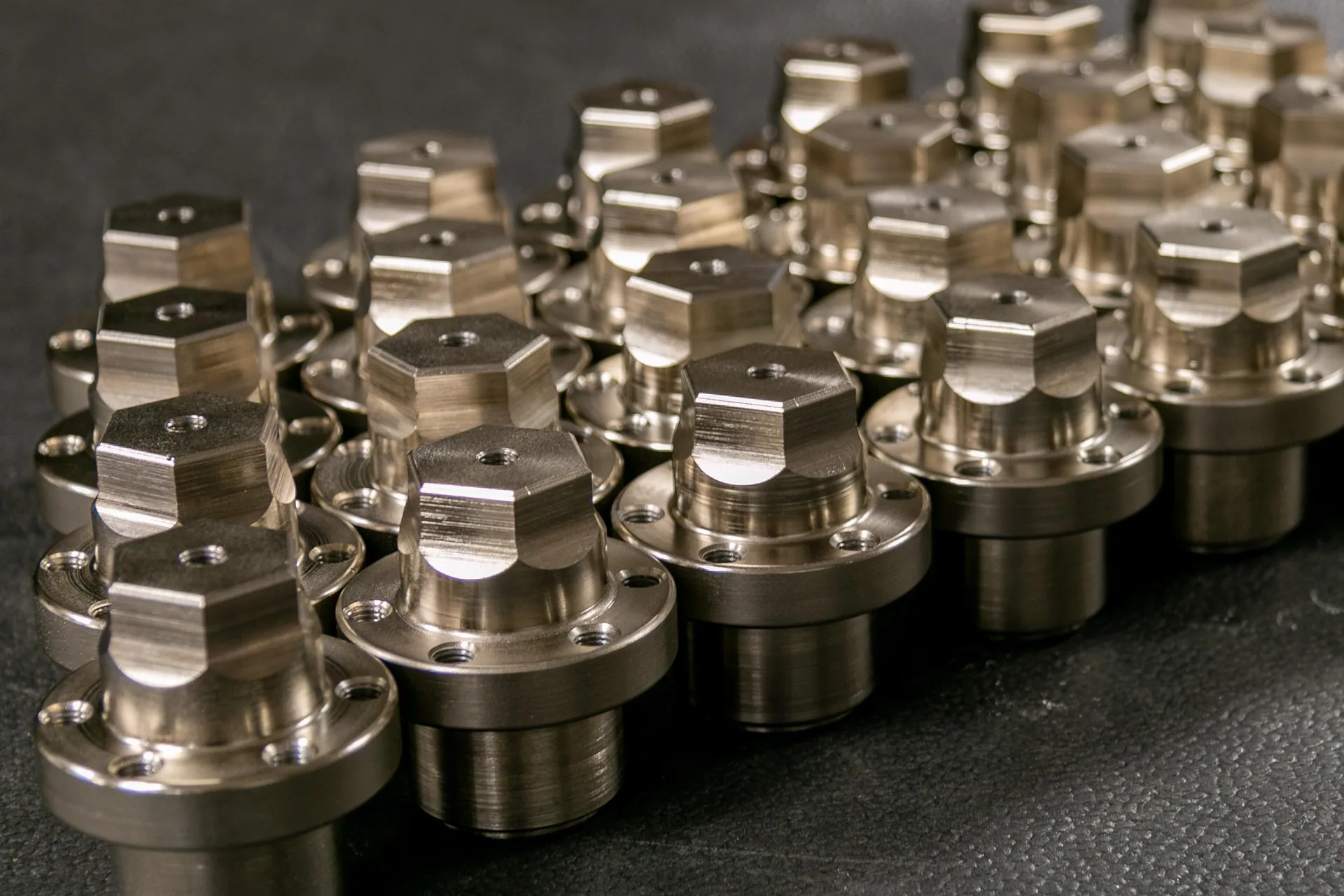
- Standoffs and spacers — hex and round bodies, through-threaded, tapped or swage style, in brass, aluminium or stainless steel.
- Captive panel screws and jack screws — retained fasteners with a shoulder or undercut so the screw stays with the panel.
- Heatsink and enclosure parts — milled aluminium plates, fins and housings machined to the component layout.
- Connector shells and backshells — milled or turned housings with clean mating bores and cable entry features.
- Card guides and mounting brackets — slot, rail and clip features for board retention.
- RF and waveguide housings — cavity and flange geometry machined to the drawing, with flat, burr-free sealing faces.
Most of these combine turning and milling, so we plan the process route across CNC turning and CNC milling to reduce setups where several faces need work.
Materials and standards commonly used
We machine electronics hardware from the material families in our materials guide, matched to what the part must do:
- Aluminium 2024, 5052, 6061 and 7075 for lightweight enclosures, heatsinks, card guides and brackets, with 6061 the usual pick for machined heatsink bodies.
- Stainless steel 301, 303, 304, 316 and 316L for captive screws, connector hardware and parts that need corrosion resistance.
- Brass and bronze for standoffs, inserts and parts that double as grounding or solder points.
- Copper where current-carrying is the main requirement.
Thread standards follow the drawing, whether metric, UNC/UNF or a connector-specific thread. Plating and finishing are chosen for solderability, contact or shielding rather than appearance alone: tin or gold plating where the part is soldered or mated, nickel plating for corrosion and shielding, electroless nickel for uniform coverage on complex shapes, and anodizing for aluminium. Finishes are applied through our vetted partner network, managed under one quality process, with the plating, masking and any thickness callout confirmed before machining starts. Where a design also calls for forging, heading, stamping or casting, we source those steps through our vetted partner network so the finished part still ships as one order with the same documentation.
What ships with your order
Every order ships with a material certificate (MTR) and pre-shipment photos of the actual parts, so the grade and condition are recorded before dispatch. Samples ship in 5–10 days and production in 25–35 days after drawing approval; orders start from 50 pieces per style and material, with samples available from 1 piece.
Send the drawing, model, quantity, material and finish through the request a quote form and we return a quote with DFM feedback within 24 hours. You can also review our industries pages to see how we approach electronics alongside other sectors.
Electronics hardware is small, thin and often thermally critical: standoffs, brackets, enclosures and heat spreaders. The enclosure side sits under enclosures-housings, the thermal side under heat sinks, and both are milled from plate rather than turned from bar.
Specifications
| Tolerance | ±0.01 mm on precision features |
|---|---|
| General tolerance | ISO 2768-m unless stated on the drawing |
| Materials | Aluminium 2024/5052/6061/7075, stainless 301/303/304/316/316L, brass, bronze, copper |
| Threads | Metric and inch, internal and external |
| Standoffs & spacers | Hex and round, threaded and swage styles |
| Finishes | Anodizing, nickel, tin, gold through partner network |
| Processes | CNC turning, CNC milling, multi-axis machining |
| MOQ | From 50 pieces (samples from 1) |
| Sample lead time | 5–10 days |
| Production lead time | 25–35 days |
| Quote | Within 24 hours with DFM feedback |
| Milling envelope | 800 × 500 mm |
| Monthly capacity | Over 100,000 parts |
| Documents | Material certificate (MTR) + pre-shipment photos |
Frequently asked questions
What electronics hardware can you machine?
Standoffs and spacers, captive panel screws, heatsink and enclosure parts, connector shells and backshells, card guides, jack screws, and RF or waveguide housings. We machine to your drawing rather than from a fixed catalog.
Do you machine both the standoff body and its internal thread?
Yes. We turn or mill the body and cut the internal or external thread on the same part, including tapped, through-threaded and swage-style standoffs.
Which materials do you recommend for a PCB standoff?
Brass is common where grounding or soldering matters, aluminium where weight matters, and stainless steel where strength and corrosion resistance are more important. We confirm the grade against your drawing in DFM feedback.
Can you plate electronics hardware for solderability?
Yes. Tin and gold plating are available where the part is soldered or mated, and nickel or electroless nickel for corrosion and shielding. Finishes run through our vetted partner network, managed under one quality process.
Do you machine RF or waveguide housings?
Yes. We machine cavity and flange geometry with flat, burr-free sealing faces to your drawing. Tight features are held to ±0.01 mm, with ISO 2768-m as the general tolerance.
What tolerances can you hold on connector shell bores?
We hold ±0.01 mm on precision features such as mating bores, and work to ISO 2768-m for general dimensions unless your drawing states another tolerance block.
Can you supply captive panel screws that stay in the panel?
Yes. We machine the shoulder or undercut that retains the screw so it stays captive in the panel, following the retention geometry on your drawing.
What is your MOQ for electronics hardware?
Orders start from 50 pieces per style and material. Samples are available from 1 piece so you can confirm fit before committing to a production run.
How do you document the material grade?
Every order ships with a material certificate (MTR) and pre-shipment photos of the actual parts, so the grade and condition are recorded before dispatch.
Can one part combine turning and milling?
Yes. A connector shell or standoff can be turned and then milled for flats, slots or wrench features. We plan the route across CNC turning and CNC milling to reduce setups.
Do you offer anodizing and plating?
Yes. Aluminium parts can be anodized, and metals can be nickel, tin or gold plated. Finishes are applied through our vetted partner network and quoted with the same order.
How fast can I get samples?
Samples ship in 5–10 days and production in 25–35 days after drawing approval. Quotes with DFM feedback come back within 24 hours.
Send your drawing — quote in 24 hours
DFM feedback, material certificates and pre-shipment photos come with every order.