fastener head types
Fastener Head Types
A reference to the head styles we produce and the ones we machine to drawing: hex, socket head cap, button, flat and countersunk, pan, truss, carriage, square, T-head, eye, flange, weld, wing and acorn. Each entry says what the head is for, so you can pick the right one before you commit to a drawing.
Upload your drawing (STEP, IGES, DWG, DXF, PDF) — we return DFM feedback and a quote within 24 hours.
- Tolerance
- ±0.01 mm
- MOQ
- From 50 pcs
- Sample
- 5–10 days
- Production
- 25–35 days
- Documents
- MTR + pre-shipment photos
What the head has to do
A fastener head does at least one of four jobs: it transfers installation torque, provides a bearing surface that spreads clamp load, sits flush with or below the mating surface, or gives a hand something to grip. Most head designs are built around one of those jobs, and the choice should follow from the job, not the other way around.
Torque transfer is the most visible role: a hex head exists because a wrench needs six flats, and a socket cap head because an internal hex lets the tool engage from above. Bearing area is quieter but often more important — the underside of the head presses the joint together, and on soft material a small head will pull through or leave a ring; hence flange, truss and washer-face heads. Flush mounting changes the geometry, because a flat or countersunk head must match the countersink angle in the part. Hand grip is the last job: wing, thumb and knurled heads suit a fastener adjusted by fingers. The table below lists the sixteen head styles we produce.
Wrenching heads versus recessed drives
One early decision splits heads into two families: heads the tool grips from outside, and heads the tool engages from inside. A hex head is the classic external-drive head — a wrench wraps around it, so it survives repeated assembly and high torque, carrying more torque than a recess because the load spreads over the full perimeter of the flats.
A recessed head turns that inside out: a socket cap, button or flat head carries the drive in the middle, so the head can be smaller, rounder and recessed into a close counterbore. The trade-off is engagement — the recess is smaller than an external hex, so it is more sensitive to wear, to an undersized bit and to an off-square driver. Where torque is high or the fastener is removed many times, external hex usually wins; where the head must be compact, an internal drive is the answer. The companion page on drive types covers the recesses themselves.
Heads that sit flush
Flush heads are chosen when the fastener must not stand proud — for a mating face, a moving part passing over it, or a clean exterior. The flat head is the workhorse: it seats into a countersink cut at a standard included angle (82° and 90° are the common ones), and the head angle must match or the head contacts only on a thin line and loosens.
Countersunk socket heads bring the same behaviour to an internal-drive screw. What matters is the included angle and the head diameter: get the angle wrong and the joint never seats, get the diameter wrong and the countersink leaves a gap or swallows the head. Because head height controls flushness, it is usually held tighter than a plain hex head — a feature we hold at ±0.01 mm when the drawing calls for it. When the countersink depth is critical, our drawing requirements page describes what to put on the drawing.
Heads that spread load
Where the base material is soft or the clamp force is high, the underside of the head becomes the load path. A standard hex head with a washer does the job, but the washer is a second part that can be lost or misassembled. Flange heads build the washer into the heading or forging. Truss heads go further — a low, wide dome spreads pressure over the largest area of any common machine-screw head, which is why they suit thin sheet and soft material where the screw must not pull through. Washer-face heads on hex cap screws give a smooth, flat bearing ring that reduces surface damage.
For soft aluminium, brass or copper parts, bearing area matters as much as the thread. A small head tightened hard can indent or yield the mating face, and a flange, truss or washer-face head is often cheaper than a larger thread.
Heads we machine to drawing rather than to a standard
Most of what we ship in volume is a standard head, cold-headed or forged and then finished. But a large share of the enquiries that reach a machinist arrive precisely because the head is not in a catalogue. A buyer who needs a hex head 0.5 mm smaller than standard, a flange diameter that must clear a boss, a carriage square neck for a specific slot, a wing head in an unusual span, or a weld head with a particular projection has nowhere to buy it off the shelf. That is the usual reason to come to us rather than to a distributor.
Some of these heads resist rotation in the workpiece: carriage and square-neck heads dig a square shoulder into timber or a mating slot so the bolt cannot spin while the nut is tightened. Hand-adjustment heads — wing, thumb and knurled — are machined or headed where the operator must tighten or release without a tool. Weld heads and weld studs carry a projection or pilot that the welder fuses to a plate, so the head shape is set by the joint.
Choosing a head for your application
Start from the job, then pick the head. Driven many times at high torque, stay with external hex. Needing to sit flush, decide the countersink angle and head diameter first. Clamping soft material, put bearing area on the underside. With one side accessible, a carriage or square-neck head stops the spin. Adjusted by hand, choose wing, thumb or knurled.
Then check the table below against those requirements before you commit to a drawing. When a standard head fits, we supply it from our material range (aluminium, stainless, carbon and alloy steel, brass, copper, titanium). When it does not, send the drawing through request a quote and we will quote within 24 hours with DFM feedback, including whether the head should be headed, forged or machined. See also custom bolts and custom screws. Samples from one piece run 5–10 days; production from 50 pieces runs 25–35 days after approval, with a material certificate (MTR) and pre-shipment photos with the order.
Common head styles
| Head style | Description | Typical use |
|---|---|---|
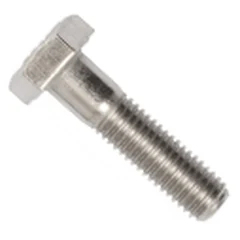
| Hex | Six-sided head turned with a wrench or socket | General machinery, structural joints |
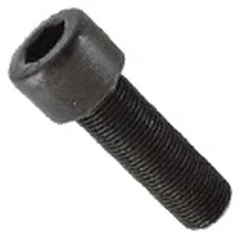
| Socket head cap | Cylindrical head with internal hex socket | Machine tools, fixtures, confined pockets |
| Button | Low domed head with internal hex socket | Where head height is limited |
| Flat / countersunk | Conical underside seats flush in a countersink | Flush surfaces, moving parts |
| Pan | Rounded head with a flat bearing face | General assembly of small parts |
| Truss | Wide, low-profile rounded head | Thin sheet, large bearing area needed |
| Cheese / fillister | Cylindrical head with a flat top | Electronics, instrument assembly |
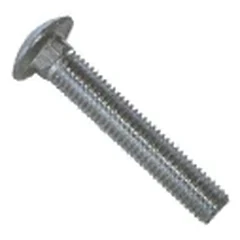
| Carriage | Domed head with a square neck under the head | Timber, where the neck stops rotation |
| Square | Four-sided head | Legacy and utility equipment, no-slip wrenching |
| T-head | Rectangular cross head for T-slots | Machine tables, T-slot clamping |
| Eye / ring | Head forms a closed loop | Lifting, tie-down, cable anchoring |
| Hook / J / L | Bent shank rather than a head | Anchoring into concrete and timber |
| Flange | Head has an integrated bearing flange | Removes the need for a separate washer |
| Weld | Projections on the bearing face for projection welding | Sheet metal assemblies |
| Wing | Two projecting wings for hand tightening | Tool-free adjustment |
| Acorn / cap | Closed domed head (nut form) | Covering exposed threads, safety |
Head geometry follows the drawing. Standards are given as a starting reference only.
Need a size or thread that is not listed? Send the drawingand we will confirm what we can hold.
Wrenching head
Internal hex socket
Square neck, timber
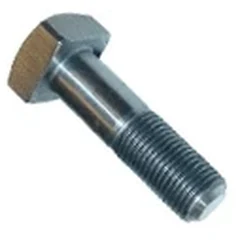
Four-sided head
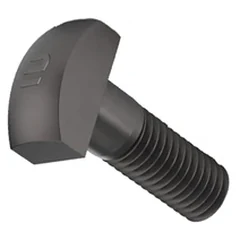
T-slot clamping
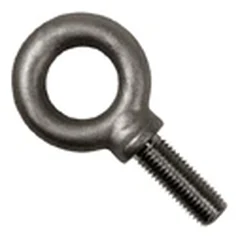
Lifting and anchoring
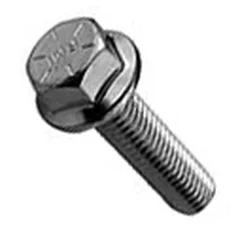
Integrated bearing flange
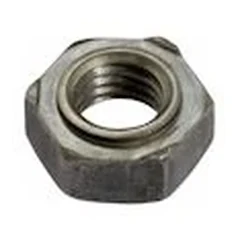
Projection welding
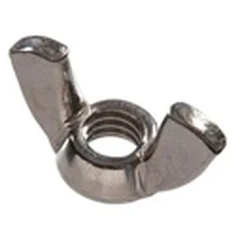
Hand tightening
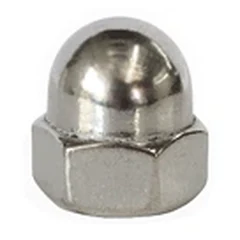
Closed dome, covers thread
Frequently asked questions
What is the most common fastener head type?
Hex head is the most common because a wrench or socket engages it externally and it tolerates high torque and repeated assembly. Internal-drive heads such as socket cap follow where the head must be compact or recessed.
What is the difference between a hex head and a socket head cap screw?
A hex head is driven from the outside by a wrench or socket; a socket head cap screw has an internal hex recess and a cylindrical head that fits a close counterbore. The socket head is chosen where there is no swing room around the bolt.
When should I use a countersunk head?
Use a flat or countersunk head when the fastener must sit flush with or below the surface. The head angle must match the countersink angle, commonly 82° or 90°, or the joint will not seat evenly.
What is a flange head bolt for?
A flange head has a built-in washer face that spreads clamp load over a wider area. It is used on soft materials such as aluminium or brass, and it removes the need for a separate washer.
What is a truss head screw?
A truss head is a low, wide dome that distributes pressure over the largest area of any common machine-screw head. It is used on thin sheet and on soft material where the screw must not pull through.
What is a carriage bolt head?
A carriage bolt has a domed head with a square neck underneath that bites into timber or a mating slot. The square neck stops the bolt from turning while the nut is tightened from the other side.
What are wing, thumb and knurled heads for?
These heads are for hand adjustment. They are chosen where the fastener is tightened and released by fingers without a tool, and the head span or knurl is sized for grip rather than wrench engagement.
Why would I machine a custom head instead of buying a standard one?
When the head is non-standard — an unusual size, flange diameter, square neck, wing span or weld projection — it is usually not in a catalogue. Machining to drawing is the standard route for those heads, from samples of one piece.
Do you hold tight tolerances on head dimensions?
Yes. Features that locate, seal or fit, including a countersink head height, are held to ±0.01 mm where the drawing calls for it, with ISO 2768-m as the general tolerance.
What materials are available for these heads?
Aluminium 2024/5052/6061/7075, stainless steel 301/303/304/304L/316/316L/410/416/17-4PH, carbon steel 1045/1215/12L14, alloy steel 4130/4140, brass, bronze, copper and titanium.
What is your minimum order for a custom head?
Samples from one piece, and production from 50 pieces. Samples run 5–10 days and production 25–35 days after sample approval.
How do I get a quote for a head I cannot find in a catalogue?
Send the drawing or a sketch through the quote form. We quote within 24 hours with DFM feedback, including whether the head should be headed, forged or machined.
Send your drawing — quote in 24 hours
DFM feedback, material certificates and pre-shipment photos come with every order.