packaging and shipping
Export Packaging, Shipping & Delivery Terms
Packaging and shipping — the process, equipment and documents behind every order we ship.
Upload your drawing (STEP, IGES, DWG, DXF, PDF) — we return DFM feedback and a quote within 24 hours.
- Capacity
- Over 100,000 parts/month
- Milling envelope
- 800 × 500 mm
- MOQ
- From 50 pcs
- Sample
- 5–10 days
- Documents
- MTR + pre-shipment photos
Overview
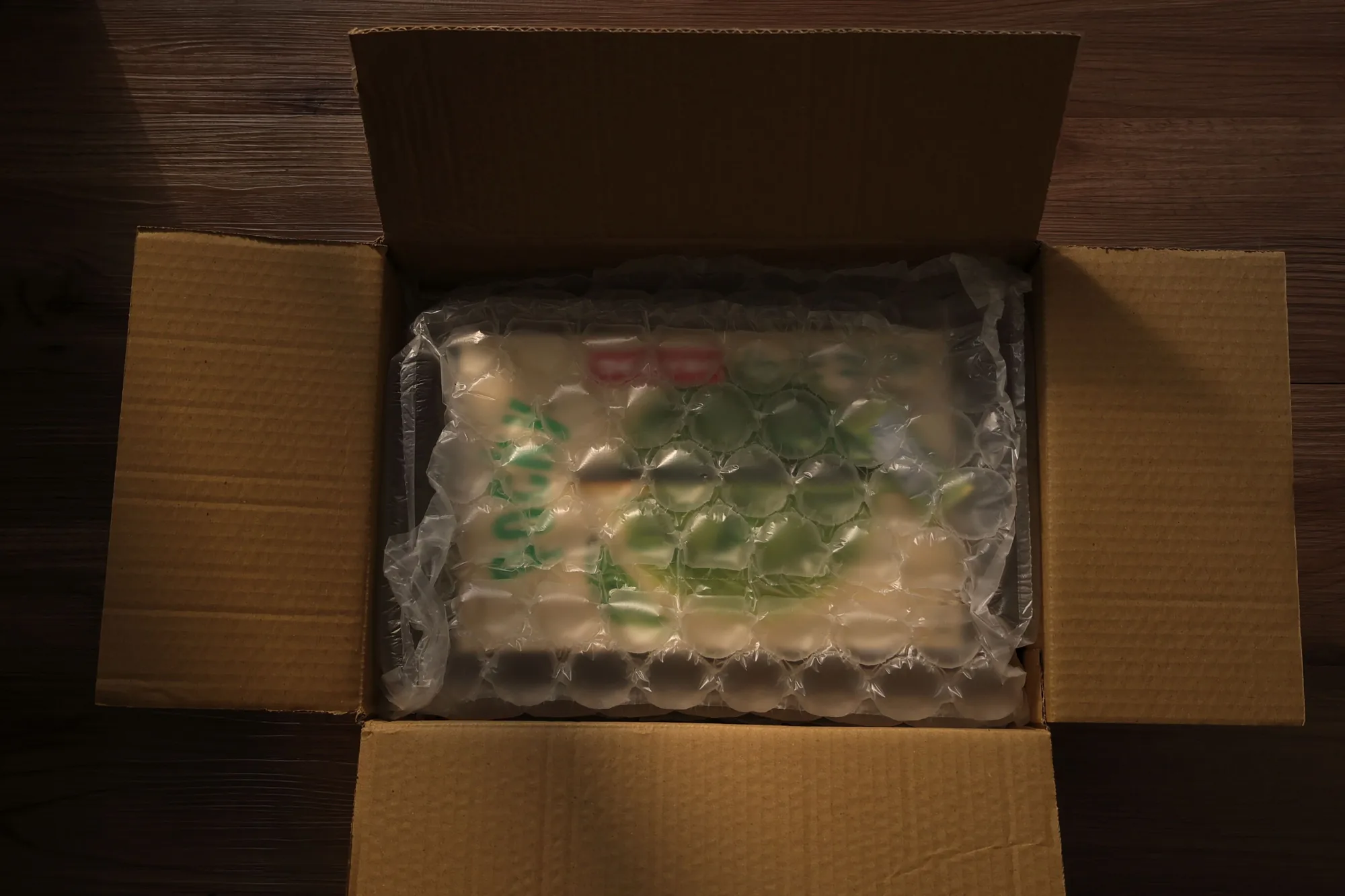
The job of packaging is to make sure the part you approved is the part that arrives. Machined parts travel through depots, containers and courier hubs, and a bare part can be bruised, corroded or cross-threaded along the way. We pack on the assumption that the carton will be dropped, stacked and exposed to moisture, and we protect the two things that matter most: the precision surfaces and the threads. This page explains how your parts are wrapped, boxed, palletised and shipped, and what travels with them. Packaging is decided from the drawing, not improvised at the dock: a small turned pin, a milled bracket and a threaded shaft each get a different treatment, and we pick the wrap, tray and carton to match the geometry before the batch is made. For the parts themselves, see our machining capabilities.
Process
Every part is deburred and cleaned before packing. Parts are then wrapped individually so they never rub against one another, and grouped into compartmented trays or divided boxes that keep each piece in its own cell. Where moisture matters, a desiccant pack goes into the carton. Bare carbon steel and alloy steel parts get VCI paper or film where relevant, which releases a vapour that protects the metal from rust during transit. Threads are shielded with caps or plugs, and precision faces get a soft wrap so they cannot be nicked by a neighbouring part.
Cartons are packed so that nothing moves inside: parts are layered, gaps are filled with foam and the box is closed with the heaviest items at the bottom. Each carton is marked with the part number, quantity and a job reference, so a mixed shipment can be sorted at a glance. Cartons are then loaded onto a pallet, corner-protected, strapped and shrink-wrapped so the stack stays rigid from our floor in Qidong City, Jiangsu Province, China to yours.
Shipping method follows urgency. Samples and small urgent batches go by express courier, which is fastest and door-to-door. Air freight suits mid-size orders that need to arrive in days rather than weeks. Sea freight is the economical choice for full production quantities, and we pack sea cargo with the desiccant and VCI protection that long transit and port storage call for. Tell us your deadline and destination and we match the method to it, and prepare the cartons and pallets for whichever carrier or forwarder collects them. Mixed orders are packed by part number: each line gets its own cells or bags, each carton is itemised, and the labels let your warehouse check the shipment against the packing note in minutes rather than unpacking everything to find one component.
Equipment and capacity
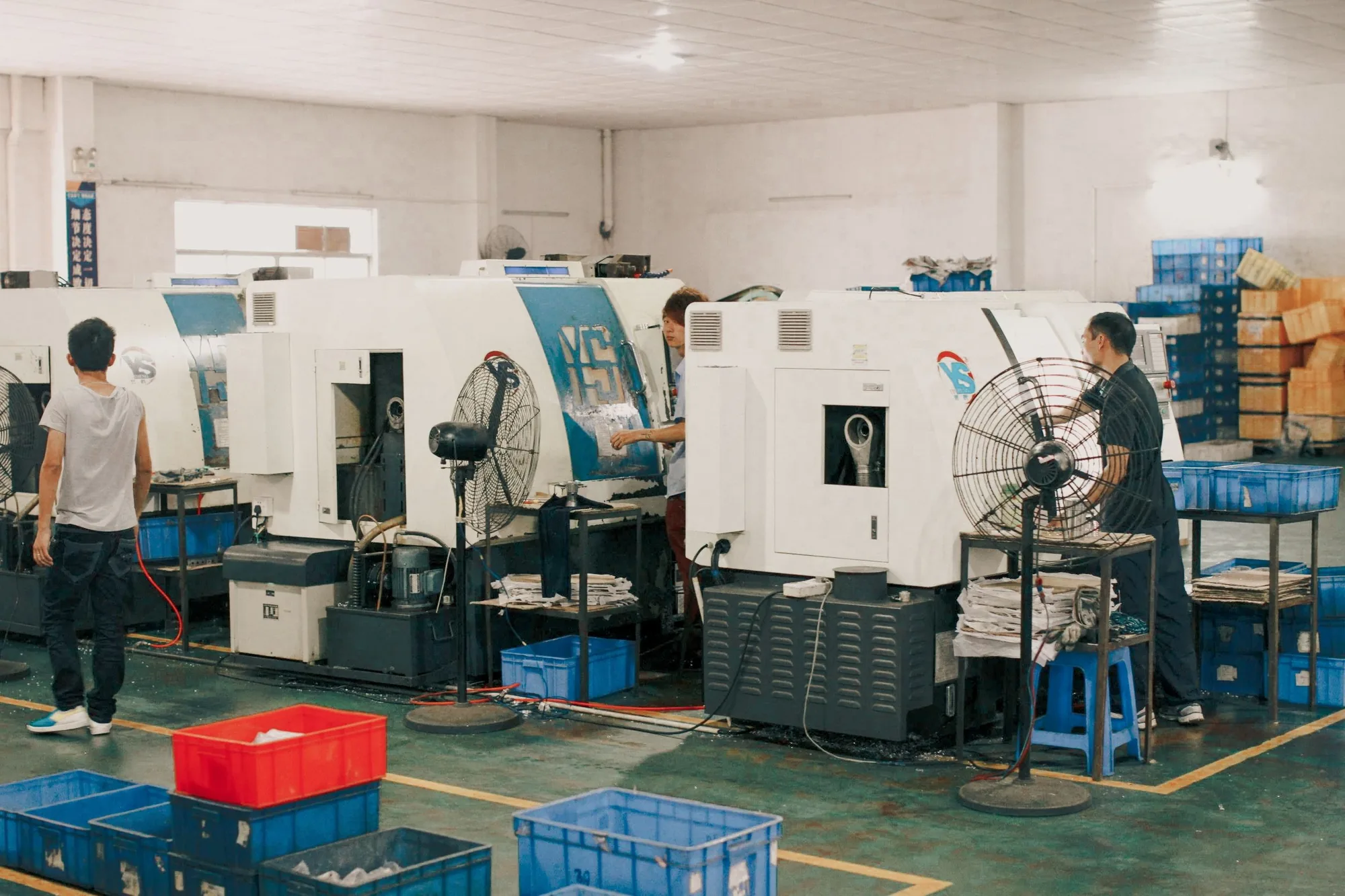
The packing area is set up for export volume. We hold a milling envelope of 800 × 500 mm and machine over 100,000 parts a month, and the packing flow is built to move that volume without slowing the schedule. Trays, dividers, foam, VCI film, desiccant, corner boards, strapping and shrink wrap are kept on hand so a finished batch moves straight into its carton and pallet rather than waiting. Samples ship in five to ten days and production in twenty-five to thirty-five days, and the packing is planned into those lead times so the carton is ready when the freight is. Because the packing flow runs alongside machining rather than after it, a repeat order slots back into the same wrap, tray and pallet recipe, so the second and third shipments leave looking exactly like the first.
Material certificates and pre-shipment photos
Every order ships with a material certificate (MTR), the document that records the grade and heat of the material used for your parts, and with pre-shipment photos. Before dispatch we photograph the finished parts, the way they are wrapped and boxed, the carton labels and the pallet, and send those photos to you so you can see exactly what is on its way. If your forwarder needs anything arranged on the export paperwork, tell us at the quoting stage and it is prepared alongside the shipment. See our material certificates page for the document itself and our tolerances page for the numbers behind the parts.
Specifications
| Part protection | Individually wrapped, compartmented trays, foam and desiccant as required |
|---|---|
| Corrosion protection | VCI paper or film where relevant for bare steel |
| Thread and surface shielding | Caps, plugs and soft wrap on threads and precision faces |
| Cartons | Labelled, itemised and packed to survive export handling |
| Pallet practice | Strapped, corner-protected and shrink-wrapped |
| Shipping methods | Express courier, air freight and sea freight by urgency |
| Documents | Material certificate (MTR) and pre-shipment photos |
| Milling envelope | 800 × 500 mm |
| Monthly capacity | Over 100,000 parts |
| MOQ | From 50 pieces |
| Sample lead time | 5–10 days |
| Production lead time | 25–35 days |
| Materials | Aluminium, stainless steel, carbon steel, alloy steel, brass, copper, titanium |
| Location | Qidong City, Jiangsu Province, China |
| Contact | Quote form or WhatsApp |
Frequently asked questions
How are my parts protected in transit?
Each part is wrapped individually, grouped into compartmented trays or divided boxes, and cushioned with foam so nothing rubs or knocks against anything else.
Do you use VCI packaging?
Yes, where relevant. Bare carbon steel and alloy steel parts get VCI paper or film, which releases a vapour that protects the metal from rust during transit.
How are threads and precision surfaces shielded?
Threads are capped or plugged, and precision faces get a soft wrap so they cannot be nicked by a neighbouring part.
How are cartons labelled?
Each carton is marked with the part number, quantity and a job reference, so a mixed shipment can be sorted at a glance.
How are pallets built and secured?
Cartons are loaded with the heaviest items at the bottom, corner-protected, strapped and shrink-wrapped so the stack stays rigid for the whole journey.
What shipping methods do you offer?
Express courier for samples and urgent batches, air freight for mid-size orders, and sea freight for full production quantities, matched to your deadline.
What documents ship with the order?
A material certificate (MTR) and pre-shipment photos travel with every order.
Do I get photos before dispatch?
Yes. We photograph the parts, the wrapping, the carton labels and the pallet, and send the photos before the shipment leaves.
Can you ship on my forwarder account?
Yes. We prepare the cartons and pallets for whichever carrier or forwarder collects them, and arrange the export paperwork they need at the quoting stage.
How are mixed part numbers packed?
Parts are grouped by part number, each cell and carton is itemised, and the labels make each line easy to sort on arrival.
What if my parts need moisture protection?
A desiccant pack is added to the carton where moisture matters, alongside VCI protection for bare steel.
How soon do samples and production ship?
Samples ship in five to ten days; production ships twenty-five to thirty-five days after you approve the sample.
Send your drawing — quote in 24 hours
DFM feedback, material certificates and pre-shipment photos come with every order.