polishing and brushing
Polishing, Brushing & Surface Finishing
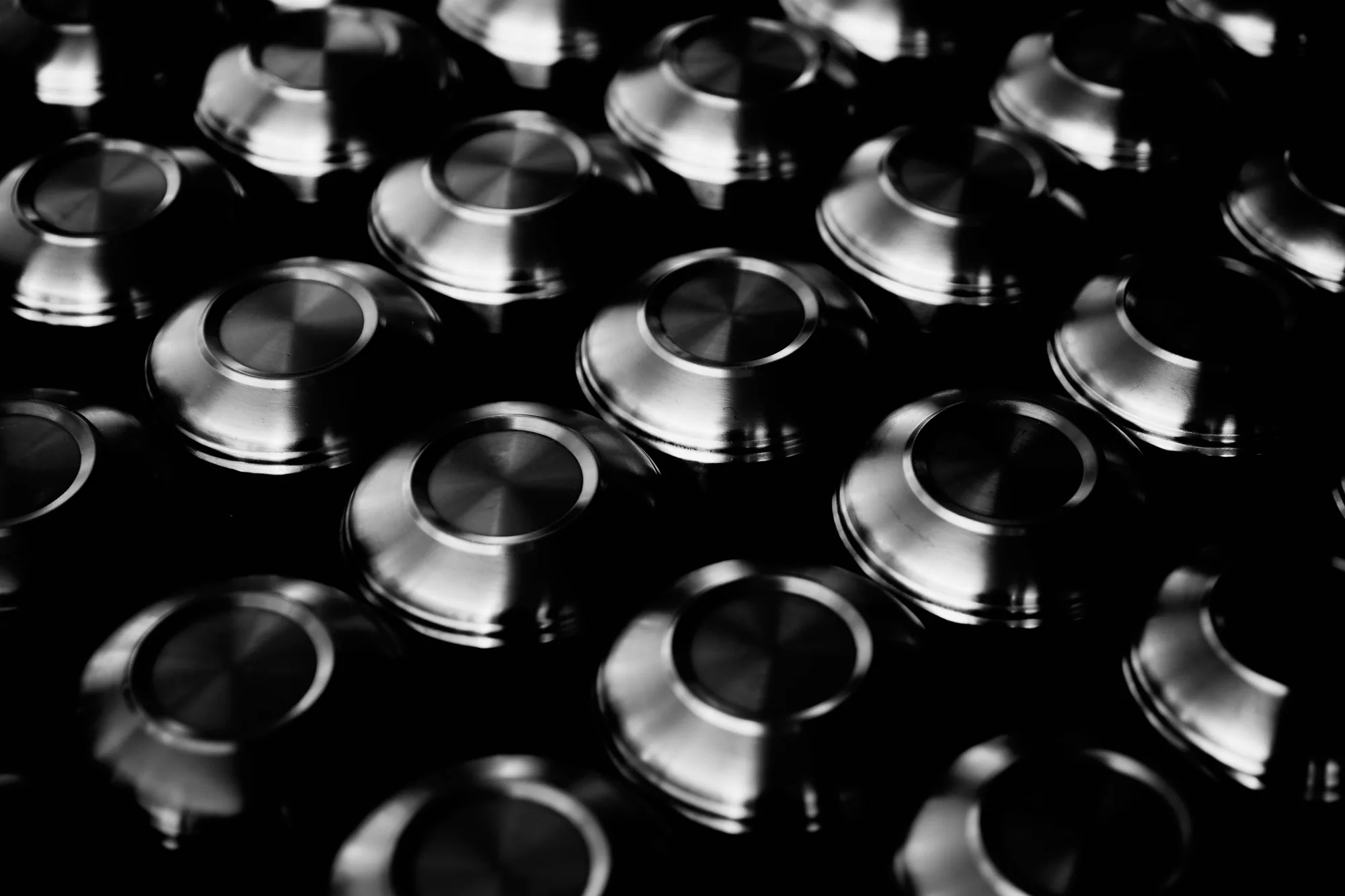
Polishing and brushing applied to machined parts, with the dimensional impact checked before and after finishing.
Upload your drawing (STEP, IGES, DWG, DXF, PDF) — we return DFM feedback and a quote within 24 hours.
- MOQ
- From 50 pcs
- Sample
- 5–10 days
- Production
- 25–35 days
- Applied by
- Vetted partner finishers
- Documents
- MTR + pre-shipment photos
What it is and when to specify it
Polishing, brushing, and satin finishing are mechanical surface treatments that use abrasives to change how a metal part looks and feels. They span a wide range, from a soft satin sheen to a full mirror polish, and they are usually the last step before a part becomes a visible cover, panel, handle, or housing.
Brushing is the most common of the three. It produces a uniform linear grain with a low-gloss, satin appearance, and the direction of that grain is a deliberate design choice. Polishing goes further: progressively finer abrasives smooth the surface toward mirror-like reflectivity. Satin sits between the two, a controlled low-gloss finish with a consistent grain.
Specify these finishes when appearance, cleanability, or hand feel matters, and when you want deburring and edge break handled in the same operation. Because the process is mechanical, it works across metals, which makes it a flexible choice for mixed-material assemblies. We arrange polishing and brushing through our vetted partner network, managed under one quality process, and stay your single point of contact.
Specifications
Grit is the main specification variable. Brushing commonly runs from about 120 to 320 grit, with coarser grit leaving a more visible texture and finer grit giving a smoother, lower-gloss grain. Mirror polishing goes beyond grit to fine buffing compounds that remove the grain entirely. The grit and the target look are confirmed per drawing, not assumed.
Finish direction is the second variable, and it is the one that catches most mistakes. A brushed panel looks different grain-along-length than grain-horizontal, so the drawing should state the direction. On round parts, a circumferential grain is common; on flat covers, a straight grain across the longest axis is typical. We match the direction to the drawing and keep it uniform across the batch.
The cleanest way to specify the finish is a short drawing note: ‘brushed, grain along length’, ‘satin finish all over’, or ‘mirror polish on visible face’. If a roughness target matters, it is stated on the drawing and confirmed before quoting. Edge break and deburring are part of the same operation, with a specific chamfer or radius called out where it has to be controlled.
Which materials and parts it suits
These finishes work across the metals we machine. Stainless steel takes a clean brushed or mirror finish and is the most common choice for visible and hygienic parts, with 303, 304, 316 and 316L running most often and 17-4PH finished the same way after hardening. Aluminium 2024, 5052, 6061 and 7075 brush well and are light, which makes them popular for covers and panels; 5052 in particular takes a fine brushed grain without showing the tool marks that the harder grades can hold. Brass, bronze and copper polish to a deep reflective surface for decorative or conductive hardware.
The parts that benefit most are the ones someone will see or touch. Stainless steel machined parts such as covers, brackets, and housings get a brushed finish to hide fingerprints and look consistent. Aluminium machined parts such as panels, handles, and knobs use satin or mirror finishes for a premium appearance. Brackets and plates also get polished for deburring and edge break, even when looks are secondary.
Finishing is applied through our vetted partner network, managed under one quality process. We remain the single point of contact, so you do not need to screen finishers yourself, and every order ships with a material certificate and pre-shipment photos.
Corrosion, wear and dimensional impact
On corrosion, a polished surface helps modestly. Smoothing removes scratches and crevices where moisture and contamination can sit, which slightly improves corrosion behaviour compared with a rough machined surface. It is not a substitute for passivation or plating on stainless parts that will stay wet, but it removes the worst hiding places for contamination.
On wear, the main benefit is deburring and edge break. Removing sharp edges and micro-burrs makes parts safer to handle and less likely to snag or cut, which matters on covers, brackets, and consumer-facing hardware. The finish itself is not a hard coating and adds no wear resistance beyond what the base metal already has.
The dimensional impact depends on grit and pressure. Some material is removed, so critical dimensions are machined with a small allowance, and the requirement is confirmed per drawing before quoting. Grain direction also affects cleanability: a linear grain wipes clean more predictably than a mirror surface that shows every smudge. For a non-mechanical alternative that smooths without grain, see electropolishing, and for the full menu, see the surface finishes overview.
Specifications
| Process | Mechanical polishing, brushing and satin finishing |
|---|---|
| Base material | Stainless, aluminium, brass, copper, steel |
| Finish type | Satin, brushed or mirror, per drawing |
| Grit | Per drawing; brushing commonly 120–320 grit |
| Grain direction | Linear, circular, or per drawing |
| Deburring | Edges broken and micro-burrs removed |
| Edge break | Per drawing callout |
| Appearance | Uniform, consistent direction |
| Dimensional impact | Removal depends on grit; per drawing |
| Precision | ±0.01 mm on machined features |
| General tolerance | ISO 2768-m |
| MOQ | From 50 pcs; samples from 1 pc |
| Lead time | Samples 5–10 days; production 25–35 days |
| Applied by | Vetted partner finishers under one quality process |
| Documents | Material certificate (MTR) + pre-shipment photos |
Frequently asked questions
What is the difference between polishing and brushing?
Polishing uses progressively finer abrasives to smooth and brighten the surface toward a mirror look, while brushing creates a uniform linear grain. Brushing is a controlled, directional satin finish rather than a reflective one.
What is the difference between satin and mirror finish?
A satin finish has a soft, low-gloss sheen with a visible grain, while a mirror finish is highly reflective with no visible grain. Satin hides fingerprints and small scratches; mirror shows everything but reads as premium.
What grit numbers are used for brushing?
Brushing commonly runs from about 120 to 320 grit, with finer grit giving a smoother, lower-gloss grain and coarser grit leaving a more visible texture. The grit is confirmed per drawing.
How do I specify brushed grain direction?
State the direction on the drawing, such as 'grain along length' or 'grain horizontal'. A consistent direction matters on visible panels, so we match it to the drawing callout and keep it uniform across the batch.
Does polishing deburr and break edges?
Yes. Polishing and brushing remove micro-burrs and break sharp edges as part of the same operation. A specific edge break or chamfer is called out on the drawing when it has to be controlled.
Which materials suit polishing and brushing?
Stainless steel, aluminium, brass, copper, and steel all finish well. Stainless and aluminium are the most common for visible parts, while brass and copper polish to a deep reflective surface.
Does polishing change dimensions?
It removes a small amount of material that depends on grit and pressure, so critical dimensions are machined with an allowance. The requirement is confirmed per drawing before we quote.
How is the finish called out on a drawing?
With a short note naming the finish and direction, such as 'brushed finish, grain along length' or 'mirror polish all over', plus any roughness target. We confirm the callout before quoting.
Does a brushed finish hide scratches better than mirror?
Yes. The directional grain of a brushed or satin finish masks fingerprints and light scratches, while a mirror finish shows every mark. That is why brushed is common on consumer-facing panels.
Where is the finishing applied?
Polishing and brushing are applied through our vetted partner network, managed under one quality process. We stay your single point of contact, so you do not need to screen finishers yourself.
What documents ship with the parts?
Every order ships with a material certificate (MTR) and pre-shipment photos. The finish requirement is confirmed per drawing before shipment from our facility in Qidong, Jiangsu.
What is the MOQ and lead time?
MOQ is from 50 pieces, with samples from 1 piece. Samples run 5–10 days and production 25–35 days after sample approval, with quotes within 24 hours including DFM feedback.
Send your drawing — quote in 24 hours
DFM feedback, material certificates and pre-shipment photos come with every order.